As sustainability becomes a priority in modern design, the challenge of reducing material use while preserving texture and brand recognition has become increasingly important. Relief embossing offers a compelling solution—creating dimensional impact without relying on additional ink or coatings.
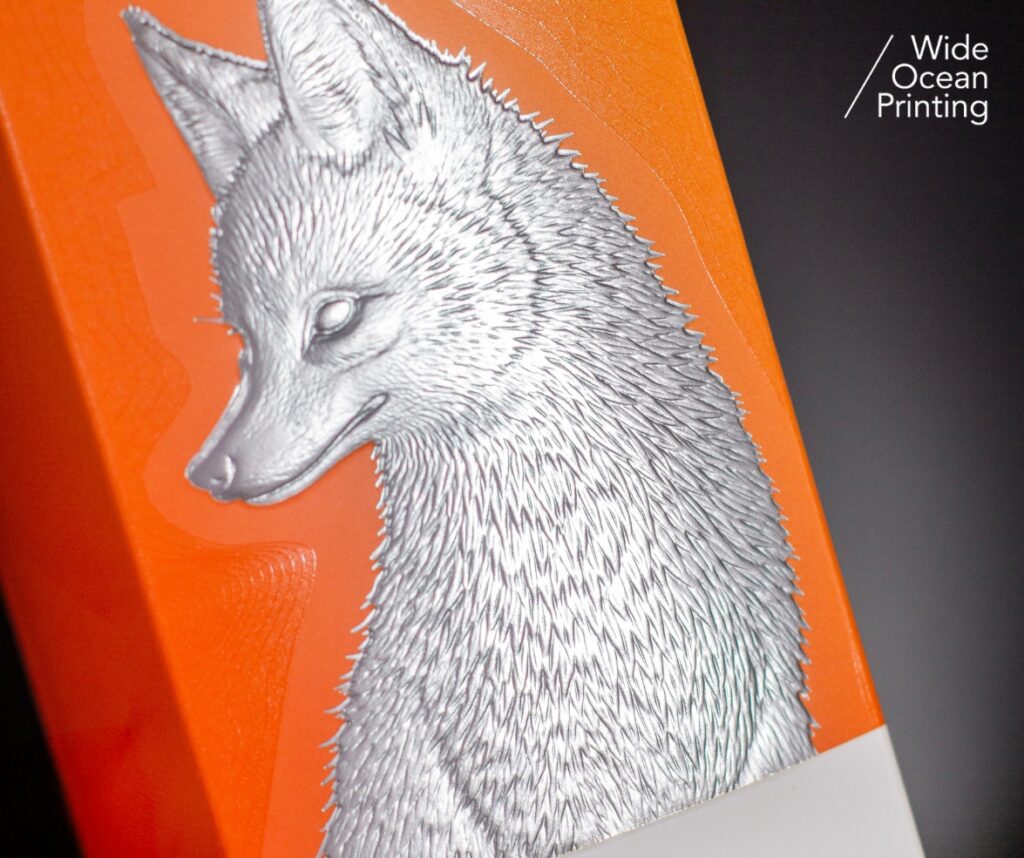
🎯 Structure Instead of Surface Coverage
Relief embossing shapes paper through pressure and precisely crafted dies. Rather than adding layers of color, it uses elevation and shadow to define form. As light moves across the raised surface, contrast emerges naturally-allowing the design to remain clear and expressive even in its pure, unprinted state.
📄 Paper as the Primary Medium
In ink-free design strategies, paper quality takes center stage. Thick stocks and high-fiber art papers enhance depth and contour, while natural or recycled materials add warmth and authenticity. By emphasizing material rather than pigment, relief embossing aligns closely with sustainable design principles.
♻️ Reducing Layers, Simplifying Recycling
Unlike multi-layer coatings or composite finishes, relief embossing maintains a mono-material structure. This can simplify recycling and support environmentally conscious production. Less added material, greater tactile impact.
✨ Modern Craft with Purpose
Supported by advanced tooling and precise pressure control, relief embossing evolves from a traditional technique into a contemporary sustainable solution. By replacing decorative excess with structural form, brands achieve refinement through restraint.
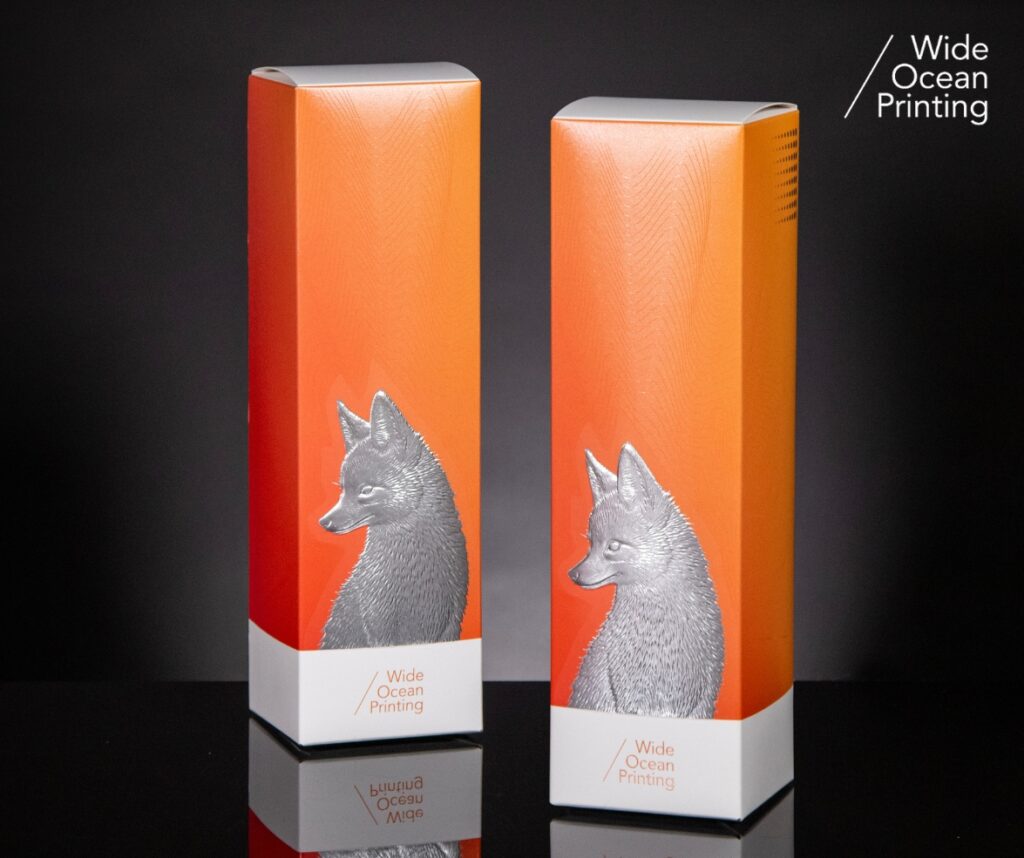
✨ Conclusion
Ink-free dimensional design redefines how texture and depth can communicate identity. Through relief embossing, paper itself becomes the message—showing that sustainability and sophistication can coexist.
“Every design deserves the right finishing.”
Reach out to our team for
tailored recommendations, sample references, and accurate cost estimates.