
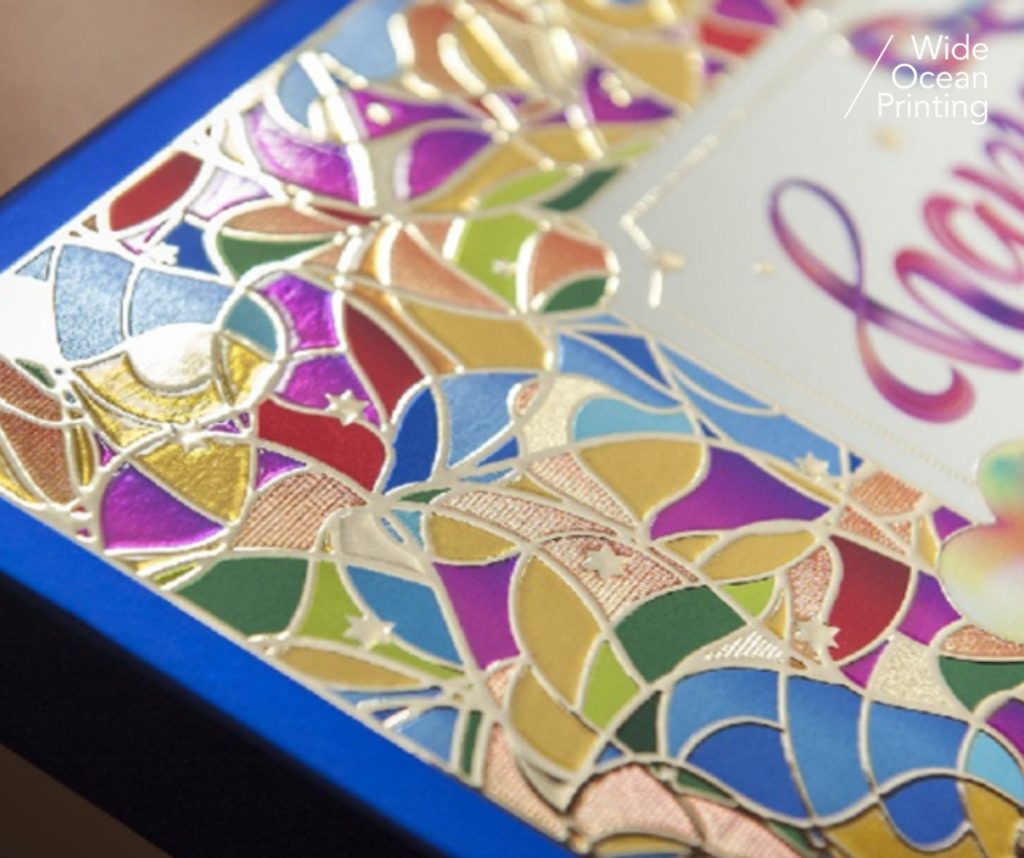
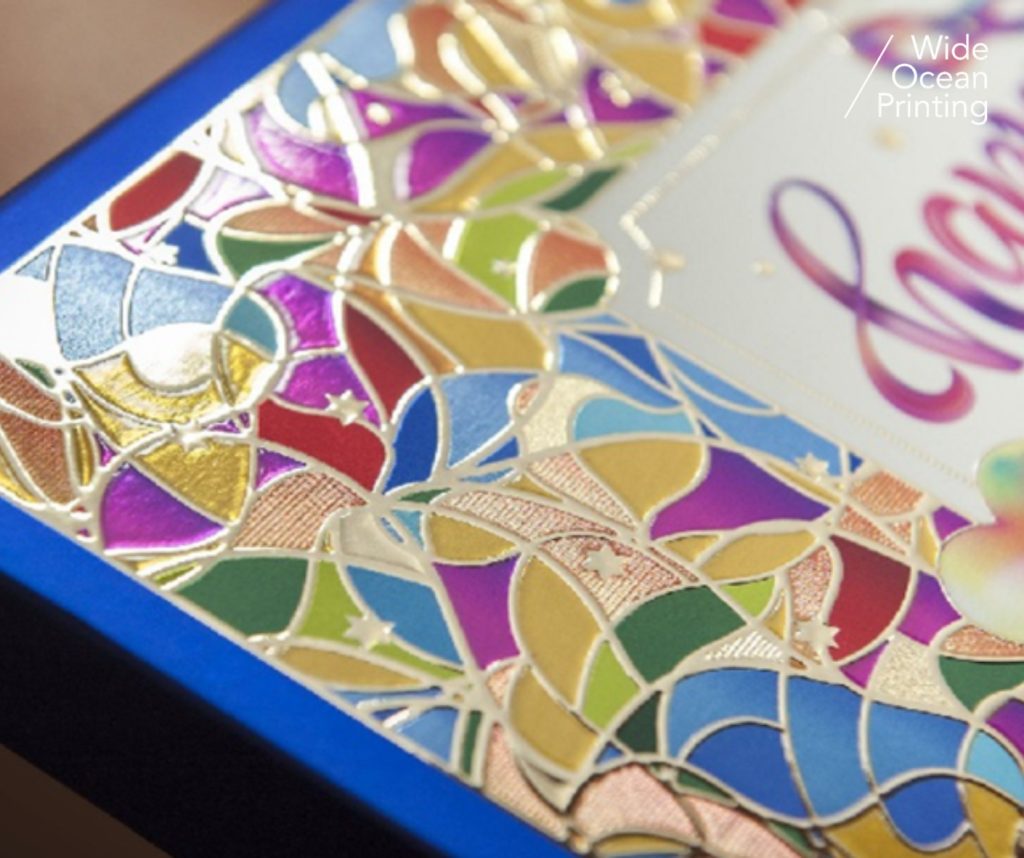
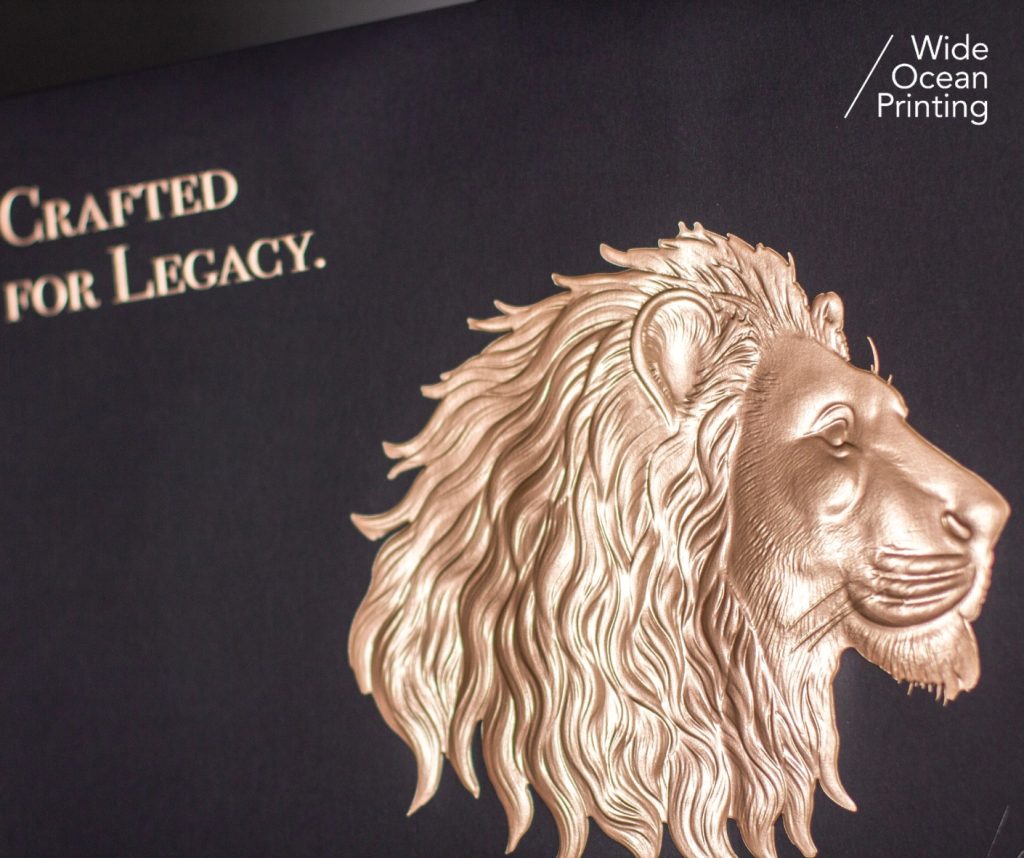
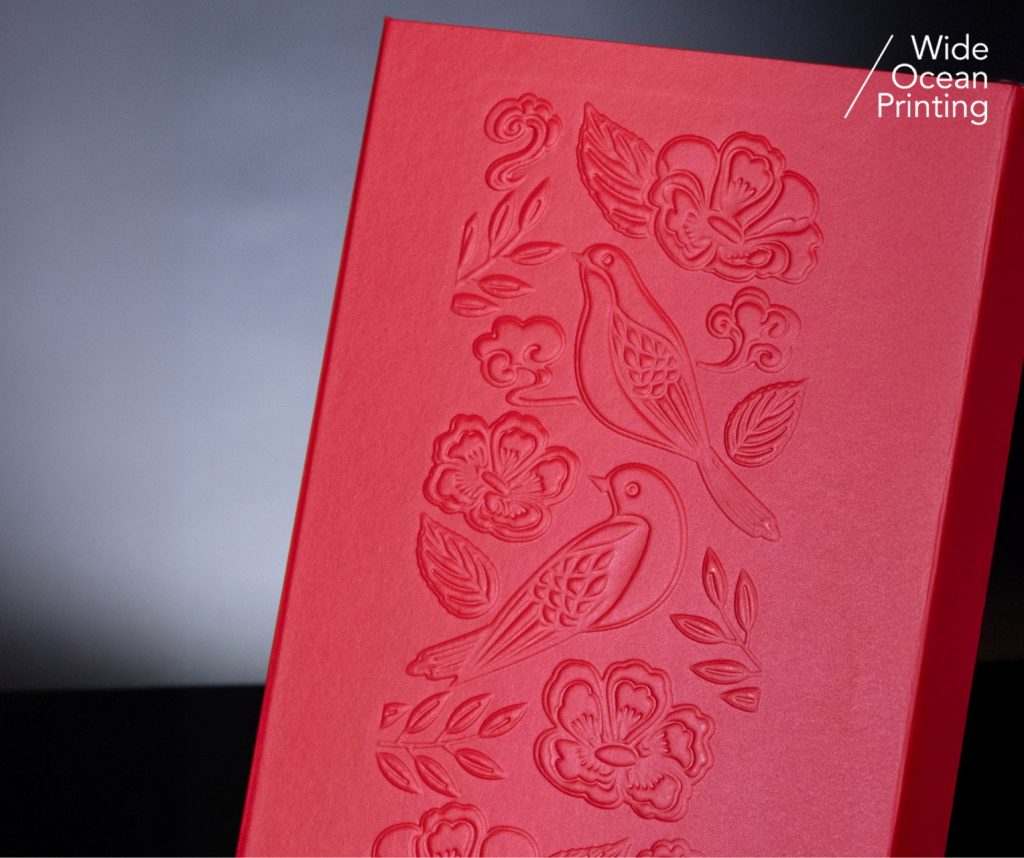
In post-press finishing, embossing is a widely used technique that enhances both the visual and tactile qualities of printed materials. By applying pressure with a custom die, embossing raises specific areas of paper or material, making patterns or text stand out in three dimensions. This not only enriches visual depth but also provides a luxurious touch, adding a sense of sophistication to any design.
✨Common Types of Embossing
🔶Blind Embossing – Creates a subtle raised effect without ink or foil, offering an elegant and understated look.
🔶Registered Embossing – Aligns precisely with printed graphics or foil stamping, enhancing depth and detail.
🔶Multi-Level Embossing – Uses multiple dies to achieve varying heights, producing a sculpted, relief-like effect.
🌲Paper Selection & Applications
Embossing works best on thicker, durable stocks such as specialty papers, cotton paper, or heavy card stock. Thin paper may crack under pressure.
Typical Applications Include:
⭕ Luxury Business Cards – Highlighting logos or brand names with tactile dimension.
⭕ Invitations – Wedding or gala invitations often feature embossing for an elegant feel.
⭕ Premium Packaging – Embossed logos or labels elevate product branding and perceived value.
🌍 Sustainability Considerations
Compared to other finishing techniques, embossing requires no additional inks or metallic foils, making it relatively eco-friendly. When paired with FSC-certified papers, embossing aligns well with sustainable printing practices.
💡Conclusion 💡
Embossing is a versatile technique that enhances both the aesthetic and sensory impact of printed products. With the right design and paper choice, it provides unmatched elegance and dimension, making it a powerful tool for branding and premium print applications.
“Every design deserves the right finishing.”
Reach out to our team for
tailored recommendations, sample references, and accurate cost estimates.