
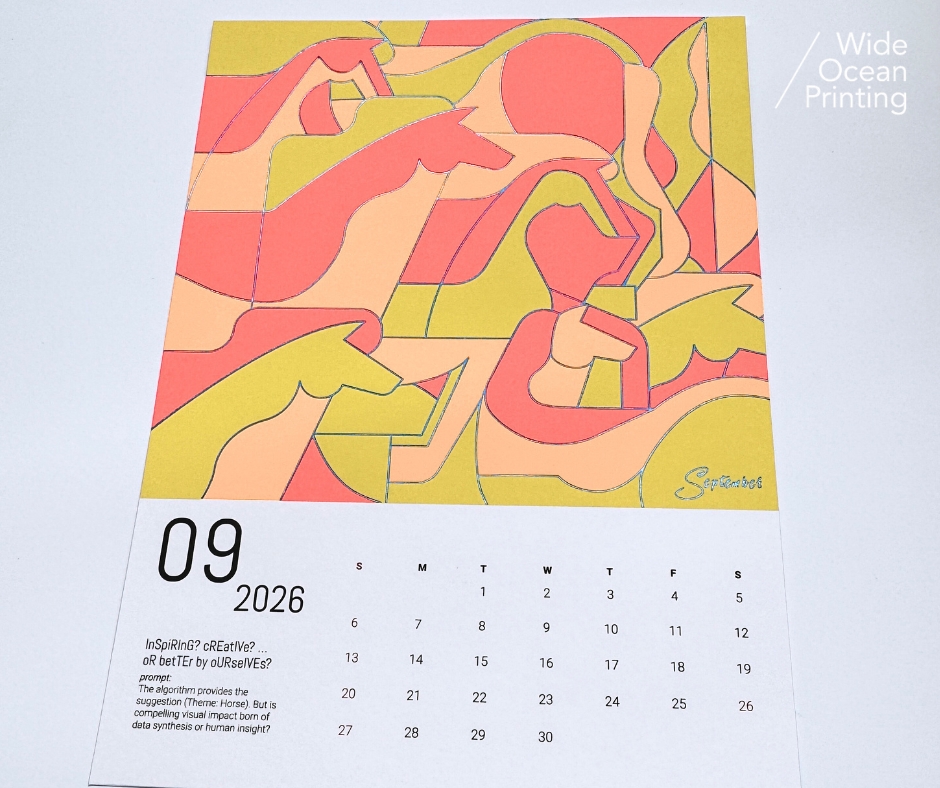
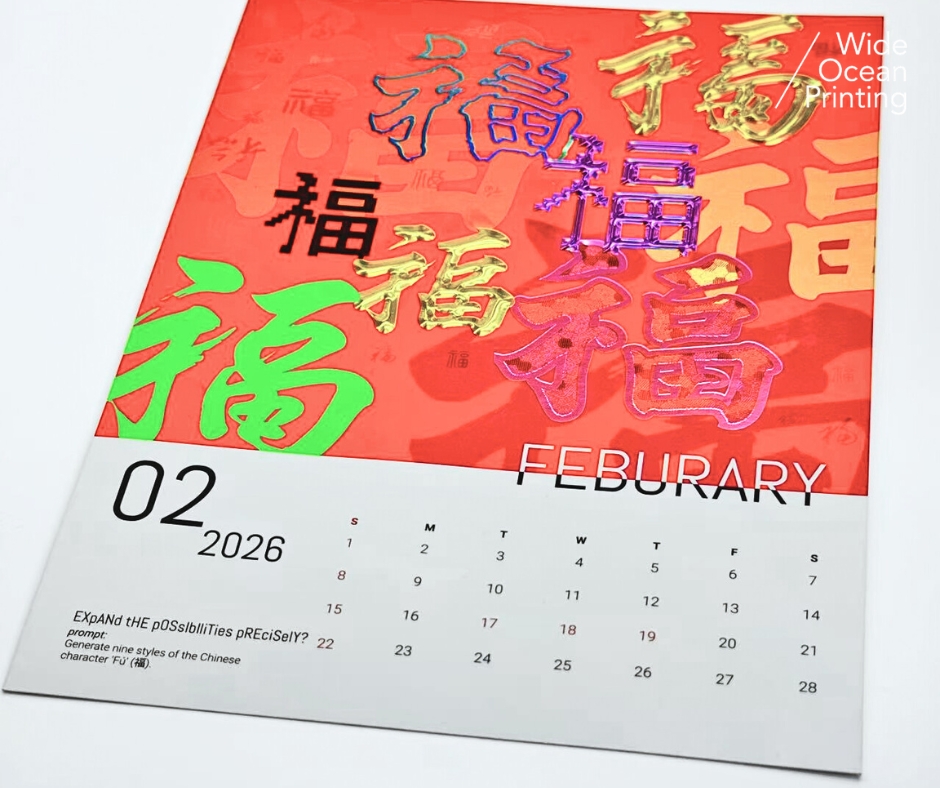
In silk screening, attention is often placed on mesh count, ink formulation, or substrate choice. Yet in practical printing, one subtle factor plays a critical role in the final result—the squeegee angle. This seemingly small adjustment not only influences ink thickness, but also affects color density, edge definition, and even the tactile quality of the print.
🖨️ How angle controls ink transfer
The angle between the squeegee and the screen determines how ink is pushed through the mesh. A lower angle allows the blade to stay closer to the screen, driving more ink to pass through and producing a thicker ink deposit. A steeper angle, on the other hand, tends to scrap excess ink away, resulting in a thinner and more even layer.
🎨 Thick or thin—context is everything
Thicker ink layers are often preferred for bold graphics, solid color areas, or designs where tactile presence is desired. Thinner layers, by contrast, help preserve fine details, crisp lines, and clear typography. In practice, printers adjust the squeegee angle based on design intent, paper absorbency, and ink behavior— rather than relying on a fixed “correct” angle.
🔍 Part of a larger process balance
Squeegee angle does not work as a single variable. It works in conjunction with pressure, stroke speed, and screen tension. On more absorbent stocks, an overly shallow angle may cause excessive ink buildup, while smoother surfaces may require careful control of the angle to avoid weak color coverage. These adjustments are typically achieved through testing and experience rather than presets.
✨ Conclusion
The beauty of screen printing lies in these subtle decisions. Mastering of the squeegee angle allows ink, screen, and substrate to work in harmony. When handled thoughtfully, the result is a final print that feels rich in visual depth, balanced, and refined—qualities that define well-executed silk screening.
“Every design deserves the right finishing.”
Reach out to our team for
tailored recommendations, sample references, and accurate cost estimates.