
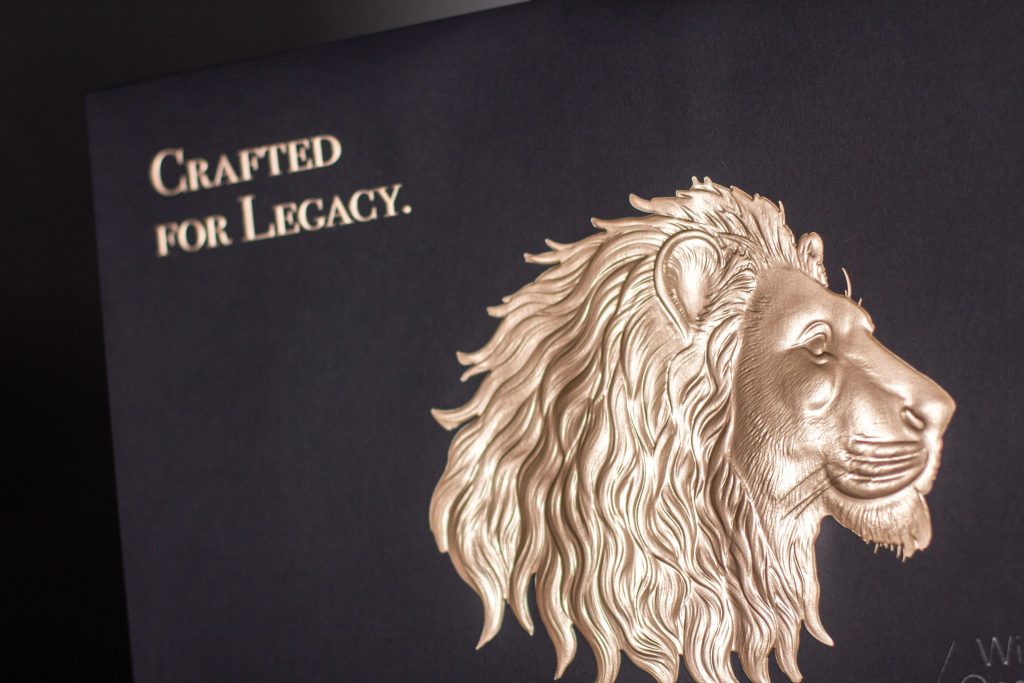
Foil stamping is a finishing method that decisively elevates perceived quality and draws the eye to key elements. Before production, align on cost, stock, and artwork details to shorten iterations and stabilize run quality. The following addresses frequent questions and offers practical guidance.
⭕ FAQ 1: How should files be prepared?
Provide clean vector artwork (e.g., Illustrator) to maintain crisp edges, and place foil elements on a dedicated spot-color layer clearly labeled “Foil” or “Stamping” so your print partner can identify and plate them quickly.
⭕ FAQ 2: Will costs increase significantly?
Hot foiling requires a metal die and press setup, so costs do rise; however, when foil is applied thoughtfully to priority elements, the premium impression it creates often yields meaningful brand lift—making the investment worthwhile.
⭕ FAQ 3: Which papers are most suitable?
Coated smooth stocks deliver sharper, more even metallic lines; textured papers offer distinctive tactility but typically hold less micro-detail. If lamination or specialty coatings are involved, run adhesion tests in advance.
⭕ FAQ 4: Is short-run production feasible?
Conventional hot foiling favors medium to large volumes. For smaller or personalized projects, consider digital foiling to reduce upfront tooling and lead time—ideal for business cards, invitations, and short-run packaging.
💡Practical Tips💡
✔ Design for clear hierarchy to avoid conflicts with other elements.
✔ Use contrast and whitespace to accentuate metallic sheen and legibility.
✔ Pilot critical areas before scaling; lock temperature/pressure/speed settings.
✔ Confirm registration tolerances and process order with your printer to prevent halos and uneven overlaps.
💡Closing Note💡
With specifications defined early and tight collaboration on press, foil stamping can deliver efficiency and quality while adding a distinctive, professional finish across a wide range of printed applications.
“Every design deserves the right finishing.”
Reach out to our team for
tailored recommendations, sample references, and accurate cost estimates.