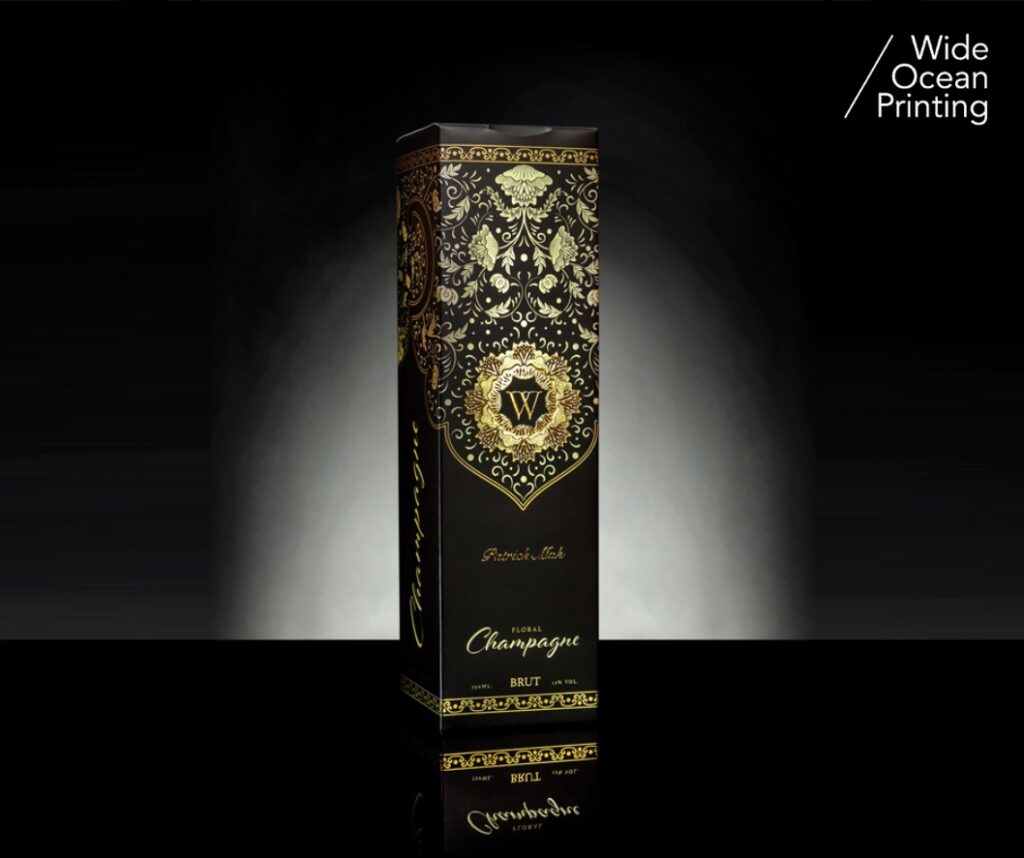
In Wine Packaging—and more broadly, Wine & Spirits Packaging—a box is never just a shipping shell. It often serves three roles at once: protecting the bottle, shaping the unboxing experience, and expressing value on display. That is why wine box design is rarely only about graphics; it must be considered through structure, material, and finishing as a whole. 🍷
🟣 Layer One: Protection comes first
Wine bottles are heavy, fragile, and usually made of glass, so structural stability is the first priority. Common solutions include thicker rigid boards, lid-and-bases or book-style constructions, and inserts such as paper trays, EVA, or dividers to prevent movement during transit and handling. In premium single-bottle or twin-bottle gift boxes, internal support often defines the first impression of quality: when it feels secure, it feels premium. 📦
🟡 Layer Two: Unboxing creates the gifting moment
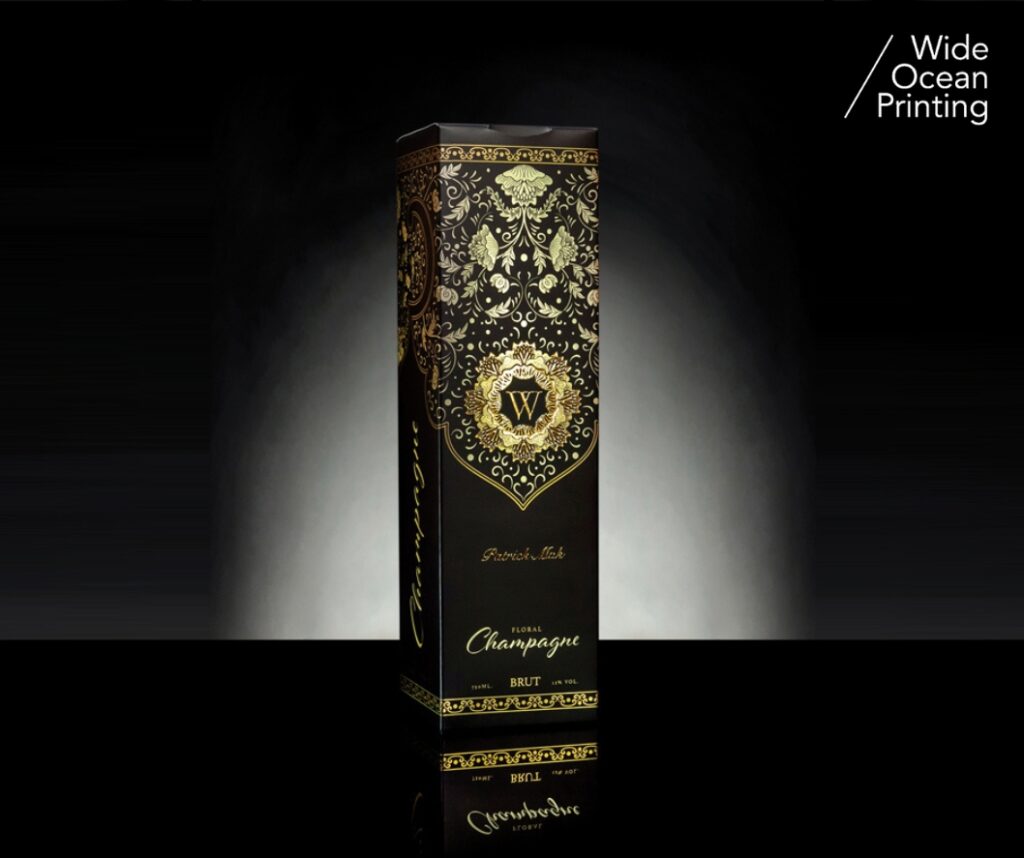
Wine boxes often fall under Premium & Gift Packaging, so opening rhythm matters. Drawer boxes, magnetic closures, book-style lids, pull tabs, and inner cards can all build anticipation during the opening process. When paired with foil stamping, spot UV, embossing, or debossing, attention naturally falls on the logo, vintage, or product name—turning unboxing itself into part of the brand memory. ✨
🟢 Layer Three: Shelf presence makes it visible
A wine box is also a display object. Proportion, front-faced clarity, whitespace, and material contrast all affect how it performs on shelf or in gifting environments. Premium wine boxes often reduce visual noise and rely more on material choice, foil accents, subtle textures, and structural proportion to communicate value—quietly, but with confidence. 🎁
🔵 Layer Four: Balancing structure, finishing, and cost
A good wine box is not necessarily the most complex one. It is the one that best fits the product, channel, and brand positioning. Gift-led designs may emphasize ceremony; retail-led designs may focus more on stacking strength and transport efficiency. The strongest solutions find the right balance for all three aspects.
✨ Closing
Thoughtful structure allows Wine Packaging to do more than hold a bottle—it carries brand story, gifting value, and physical reassurance in one experience. When transport safety, opening rhythm, and shelf presence are all considered together, the box becomes part of the product’s value itself.
“Every design deserves the right finishing.”
Reach out to our team for
tailored recommendations, sample references, and accurate cost estimates.