Among the various available printing techniques, silk screening remains a time-tested process that continues to hold its relevance in modern design. Despite the advancements of digital printing, silk screening is still widely chosen for packaging, book covers, logos, and premium print applications—valued for its dense ink coverage, strong color presence, and distinctive tactile quality.
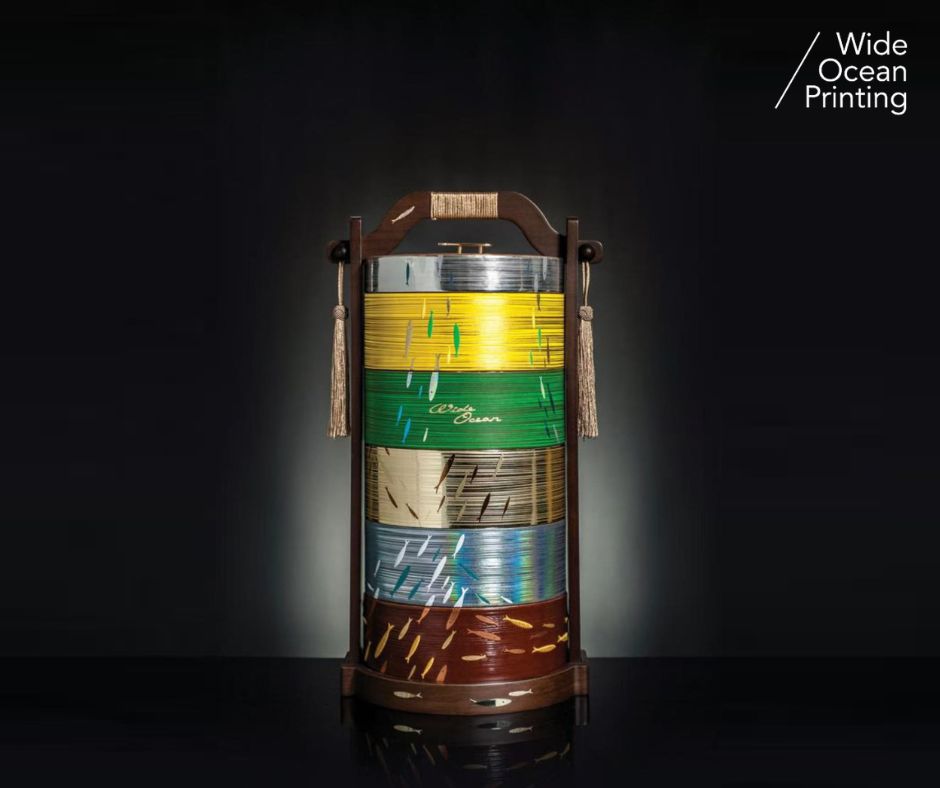
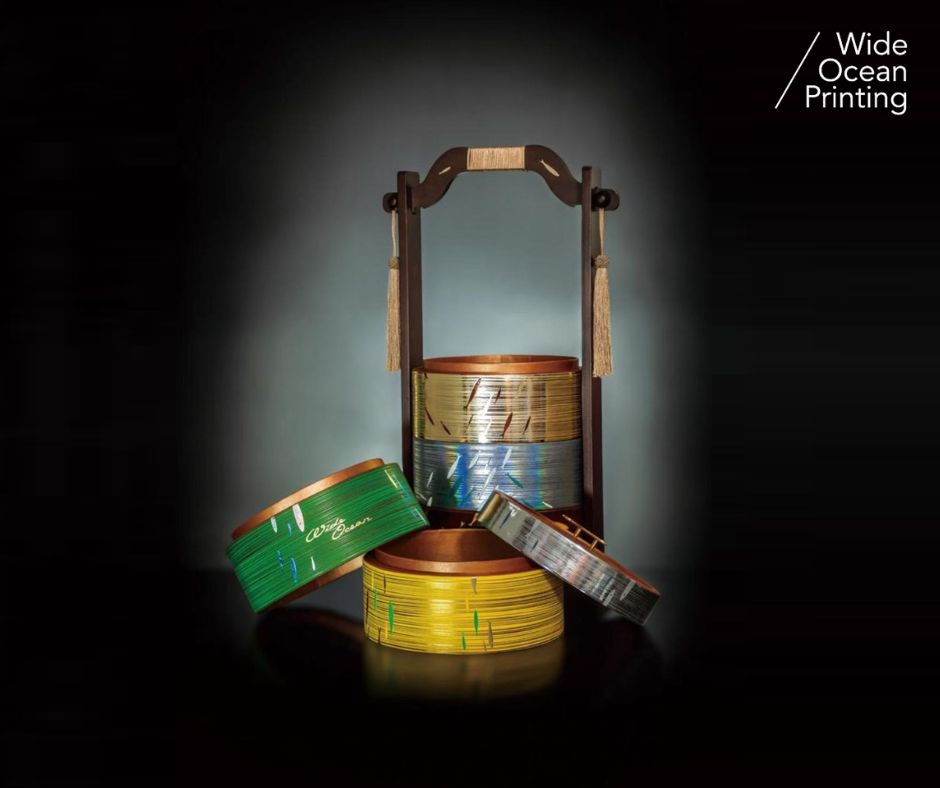
🖨️ What is Silk Screening?
Silk screening works by pressing ink through a mesh screen onto selected areas of a substrate. Unlike flat printing methods, this process deposits a noticeably thicker ink layer, resulting in richer colors and a dimensional surface feel.
🎨 Distinctive Color Characteristics
From practical experience, silk screening excels in designs that require solid, confident colors. Brand spot colors, large color blocks, and high-contrast graphics benefit greatly from its opacity and saturation—especially on dark or textured paper stocks.
📄 Versatility Across Materials
Beyond paper, silk screening can be applied to fabric, plastic, metal, and other specialty surfaces. Within paper applications, uncoated stocks, art paper, and heavy boards all respond well when mesh count and ink viscosity are properly calibrated.
✨ Combining with Other Finishes
Silk screening is often paired with foil stamping, embossing, debossing, or UV coating. The thicker ink layer provides a strong visual base, enhancing depth and tactile contrast in multi-process designs.
🌟 Final Thoughts
Silk screening is not defined by its speed or cost efficiency—it is defined by texture, presence, and craftsmanship. When a design calls for depth, character, and a lasting impression, silk screening remains a rewarding choice.
“Every design deserves the right finishing.”
Reach out to our team for
tailored recommendations, sample references, and accurate cost estimates.