

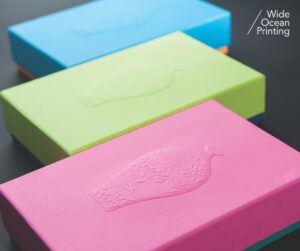
Dimension Without Distortion: Practical Tips in Relief Embossing
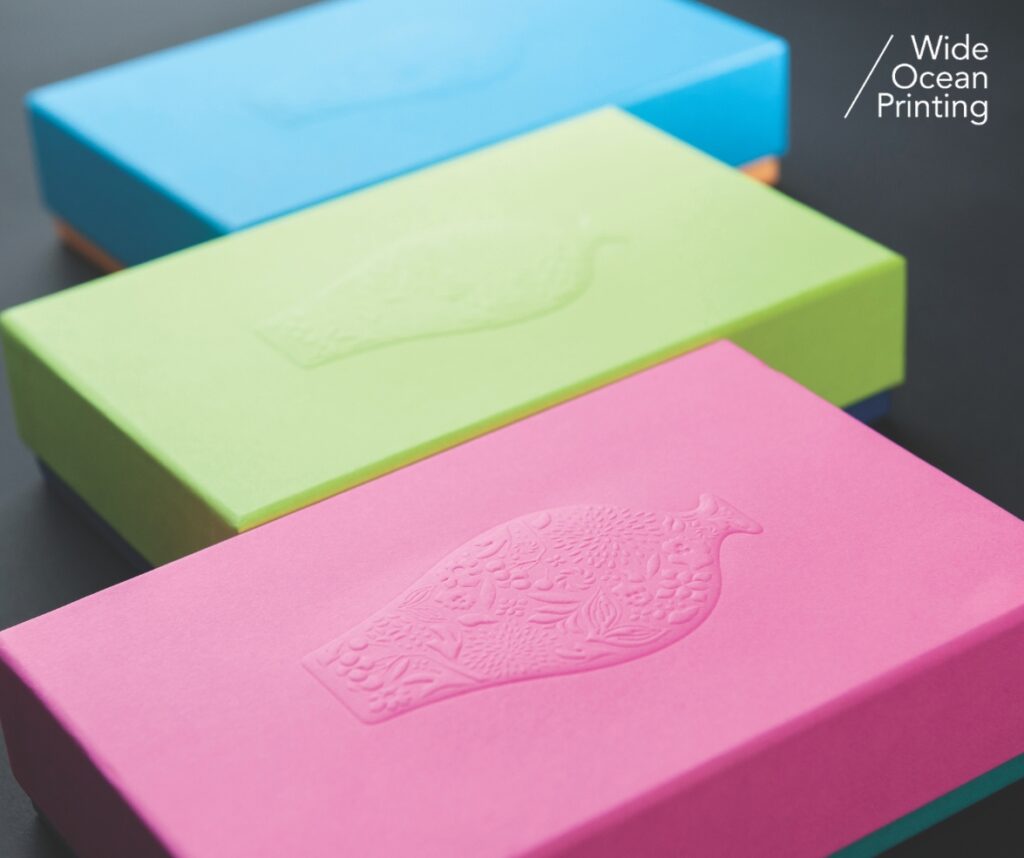
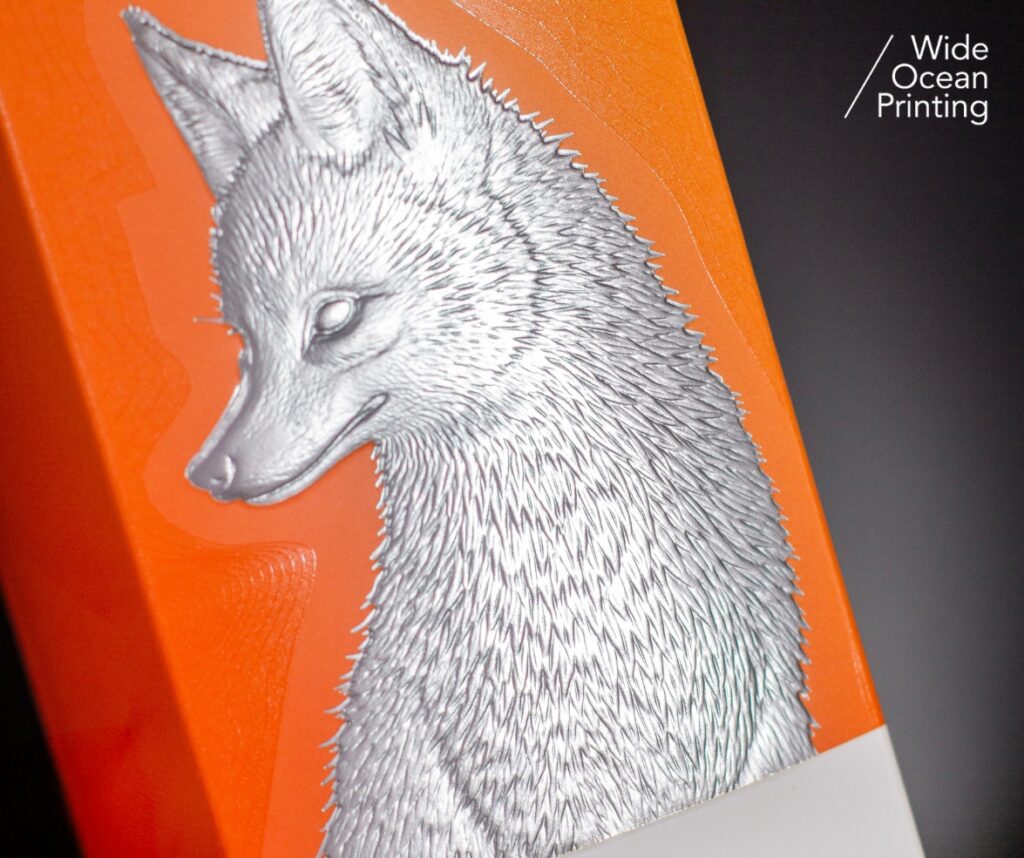
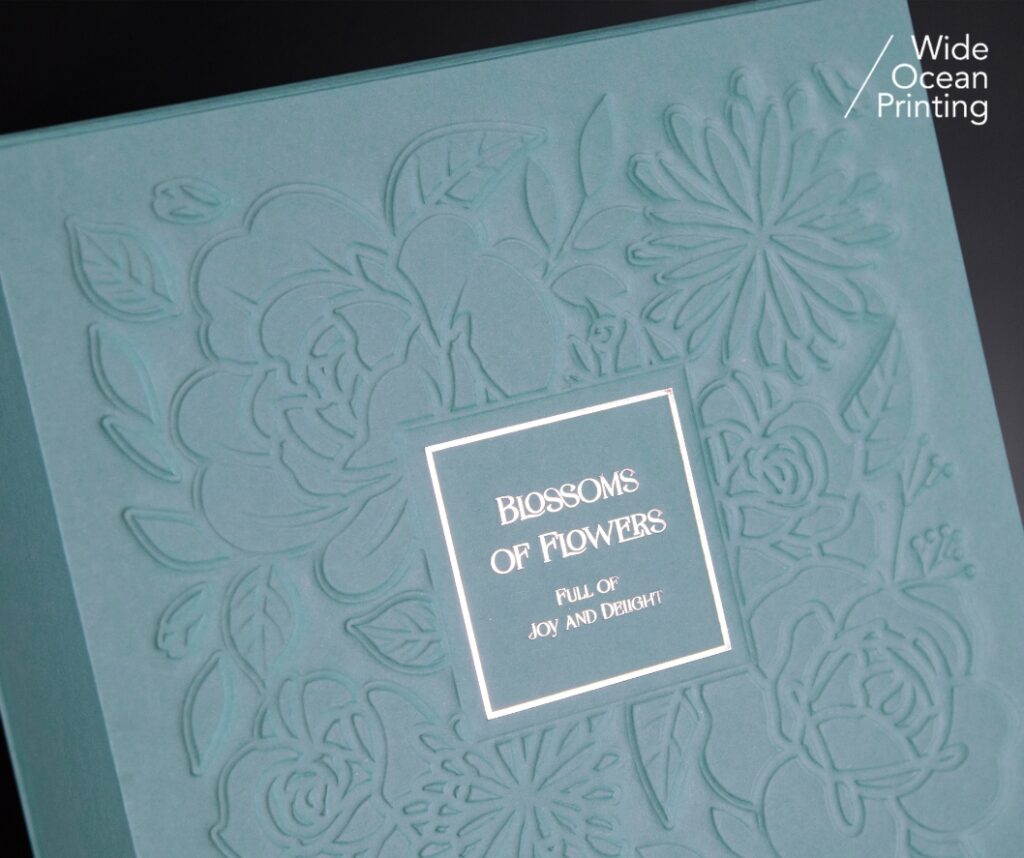
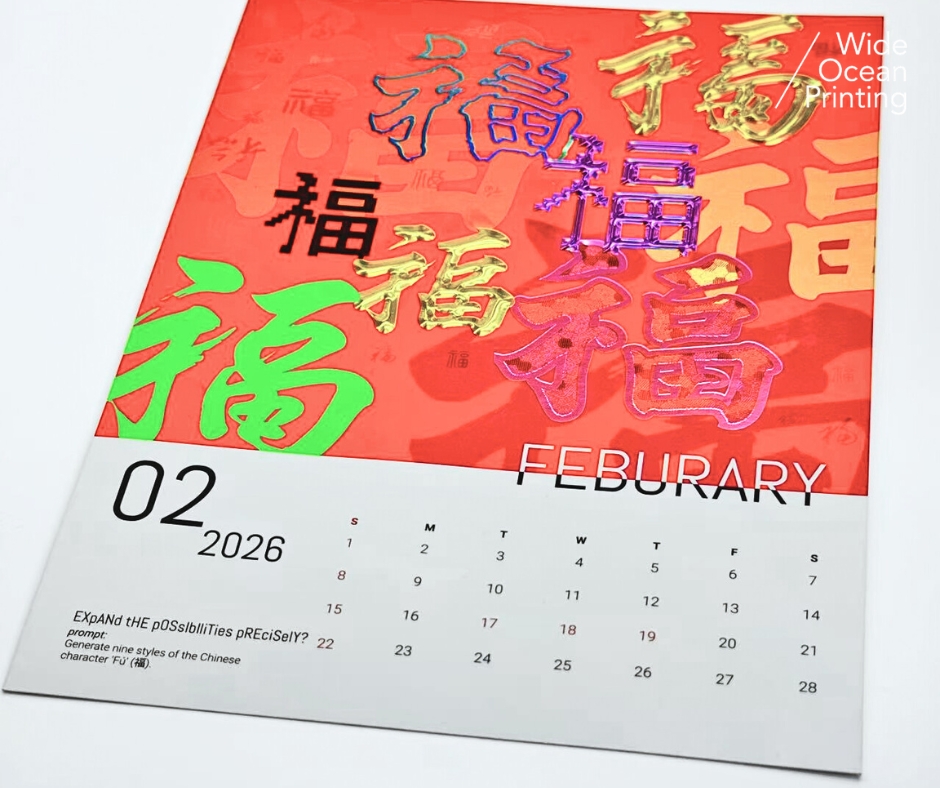
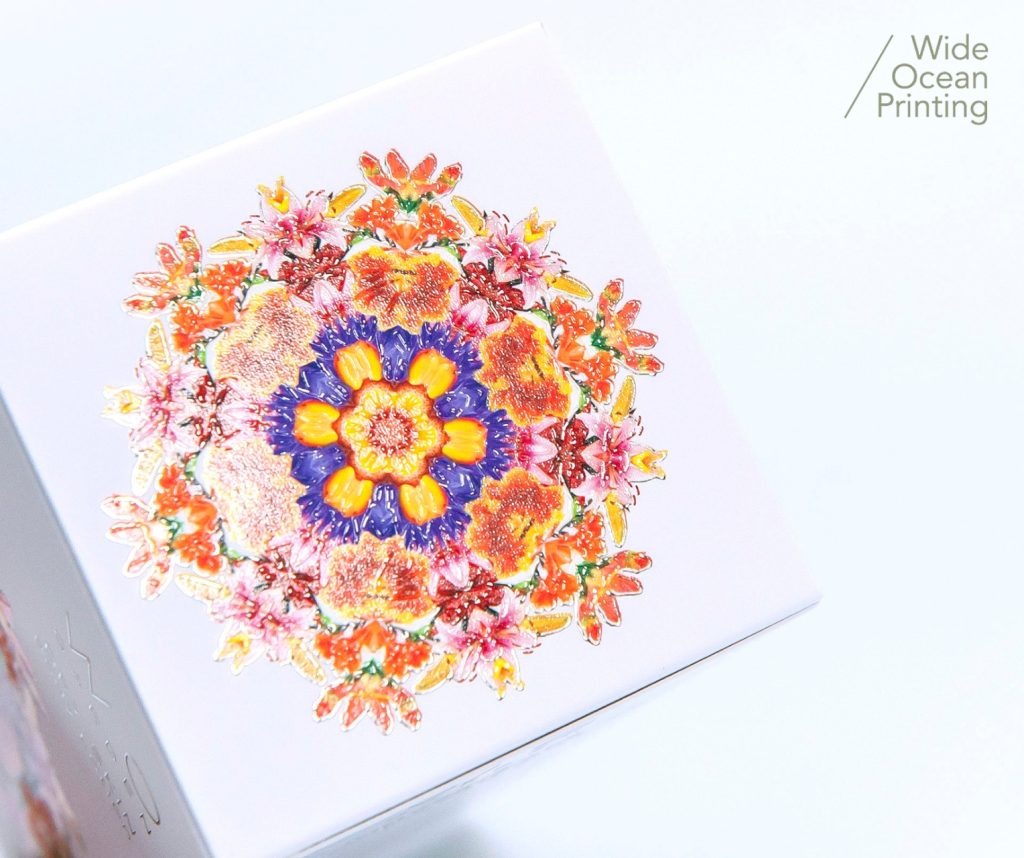
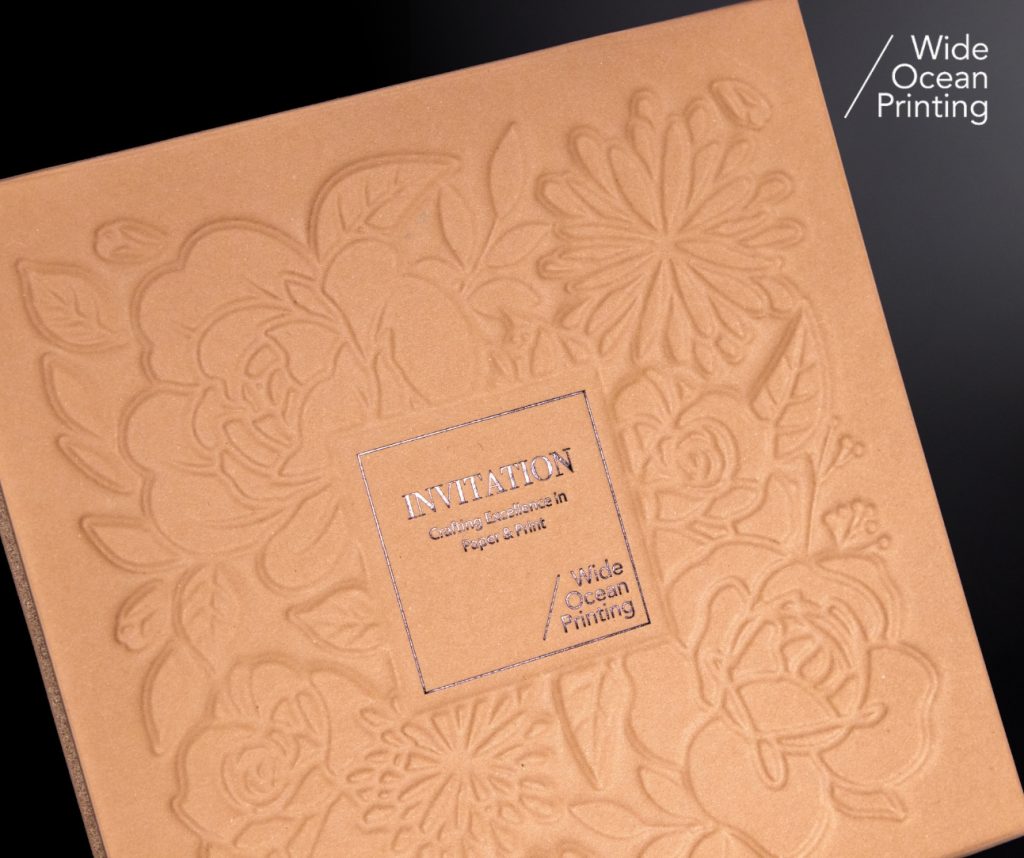
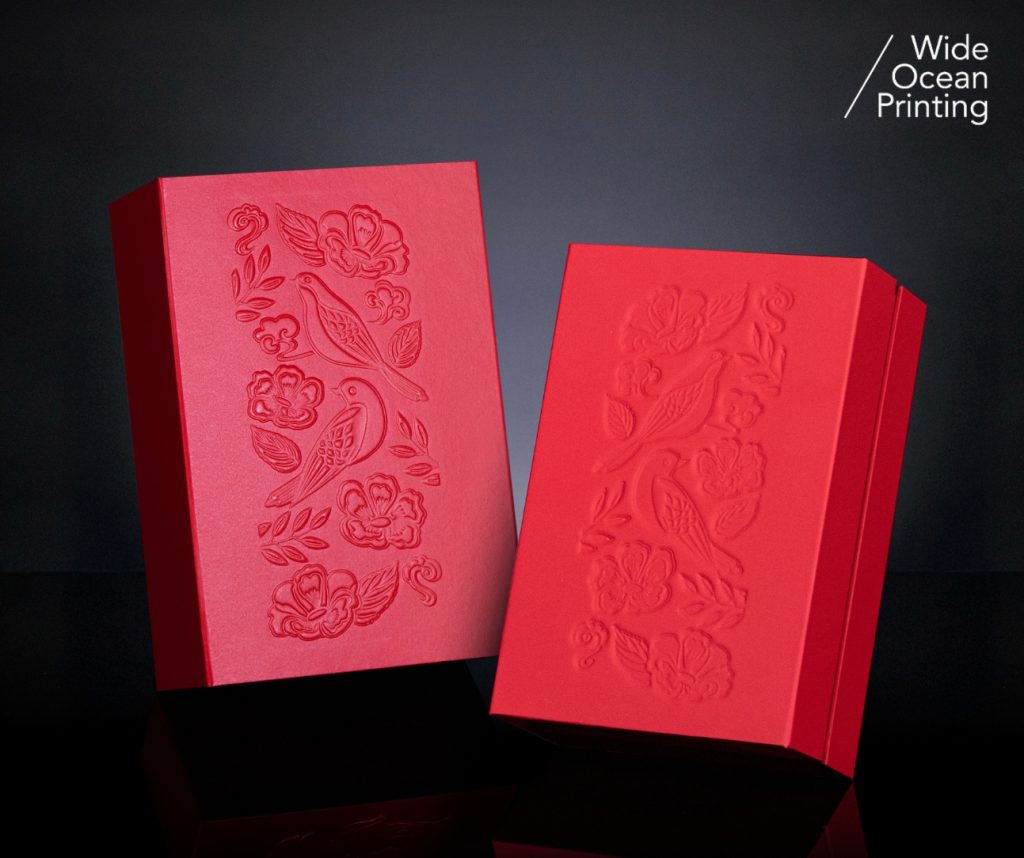
Relief embossing is widely used to enhance tactile quality and brand presence. However, one common concern in production is post-embossing distortion—such as paper warping, excessive
Print inspiration, tips and practical guidance.
Explore materials, finishes and file prep to get the best outcome.
In packaging production, mounting may appear to be a straightforward step — attaching a printed sheet
In packaging production, mounting is often seen as a intermediate process — attaching a printed sheet
In premium packaging and rigid box production, mounting may appear to be a simple process of
In print and packaging production, mounting is one of those processes that often works quietly behind
In packaging production, die-cutting and box gluing are often treated as two separate post-press processes. In
In print finishing, die-cutting is the process that brings a design from a flat printed sheet
In print finishing, die-cutting is often the step where a design finally takes form. At first
In print finishing, die-cutting is one of the most important processes for transforming a flat printed
In Board Game Packaging, the box is far more than a container. It protects components, withstands
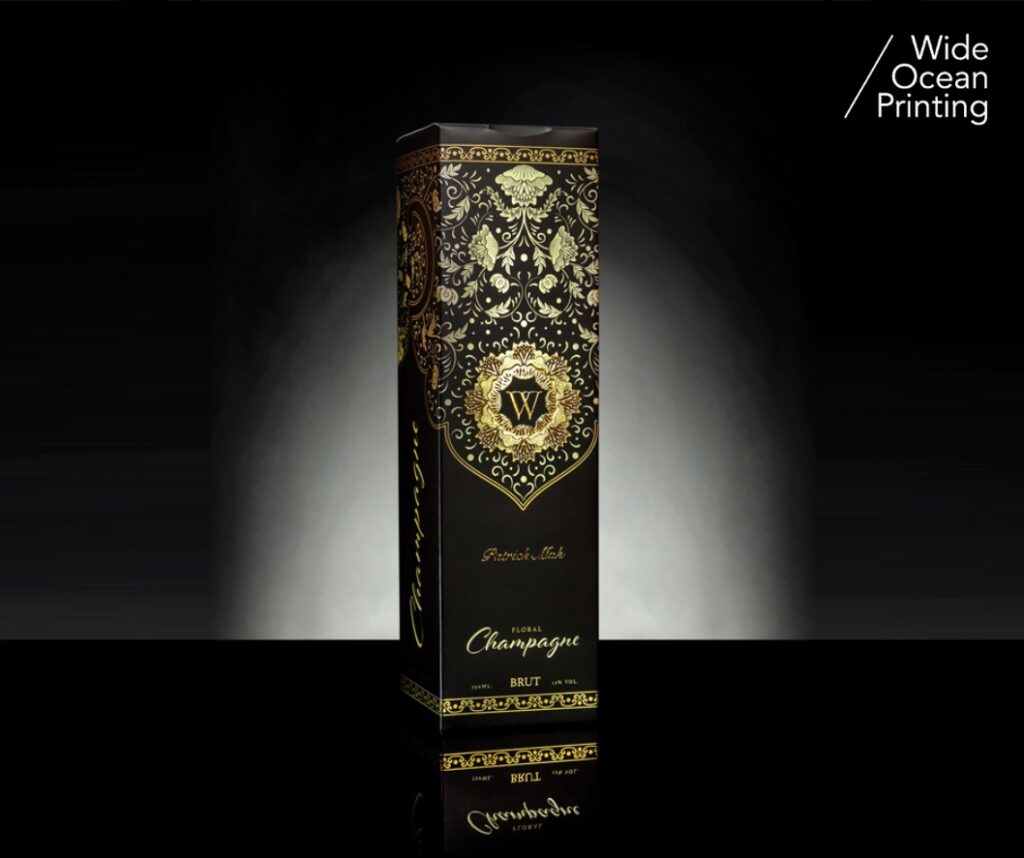
In Wine Packaging—and more broadly, Wine & Spirits Packaging—a box is never just a shipping shell.
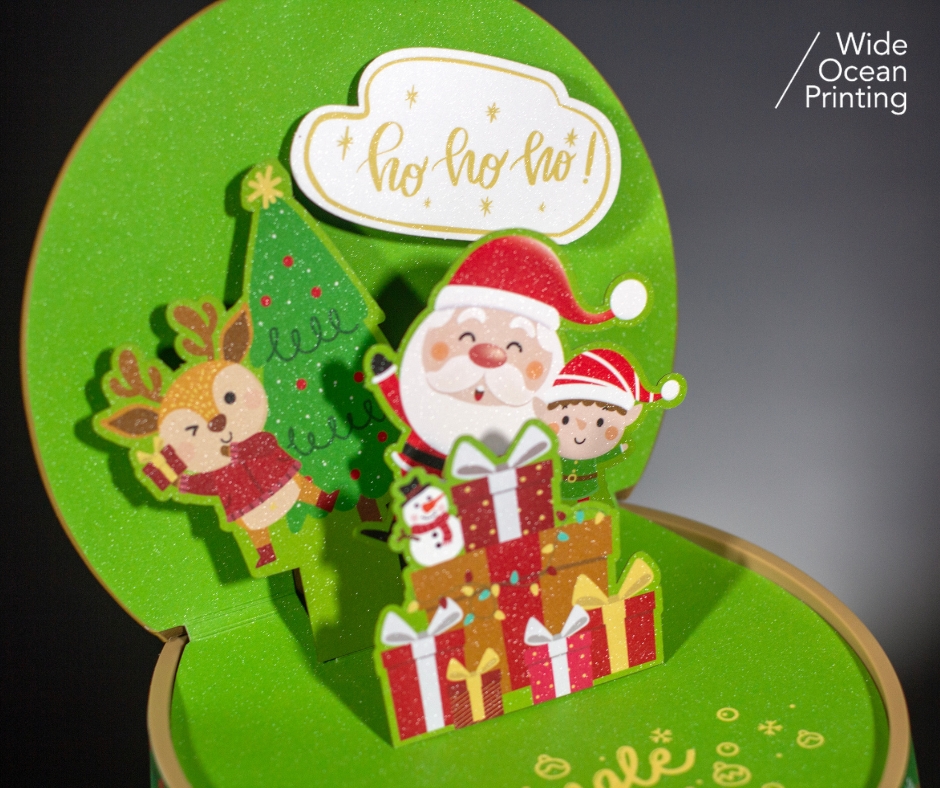
When we talk about Seasonal Product Packaging, we often think of patterns first—snowflakes, lanterns, sakura, and
In Premium Gift Packaging, the unboxing “ritual” comes not only from structural design—it’s also crafted through
Relief embossing is widely used to enhance tactile quality and brand presence. However, one common concern
As sustainability becomes a priority in modern design, the challenge of reducing material use while preserving
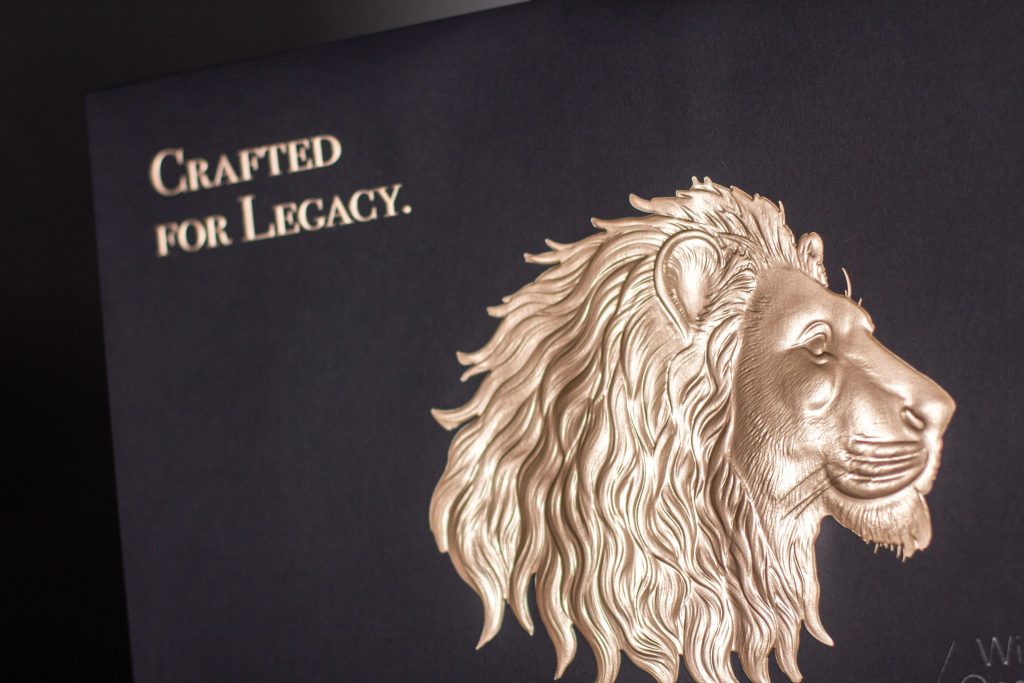
The raised contours created by relief embossing often appear to be an effortless dimensional effect on
In silk screening, attention is often placed on mesh count, ink formulation, or substrate choice. Yet
In silk screening, mesh count is often discussed but not always fully understood. From hands-on production
Among specialty printing techniques, Silk Screen Printing stands apart for its dense ink layers, bold color
Among the various available printing techniques, silk screening remains a time-tested process that continues to hold
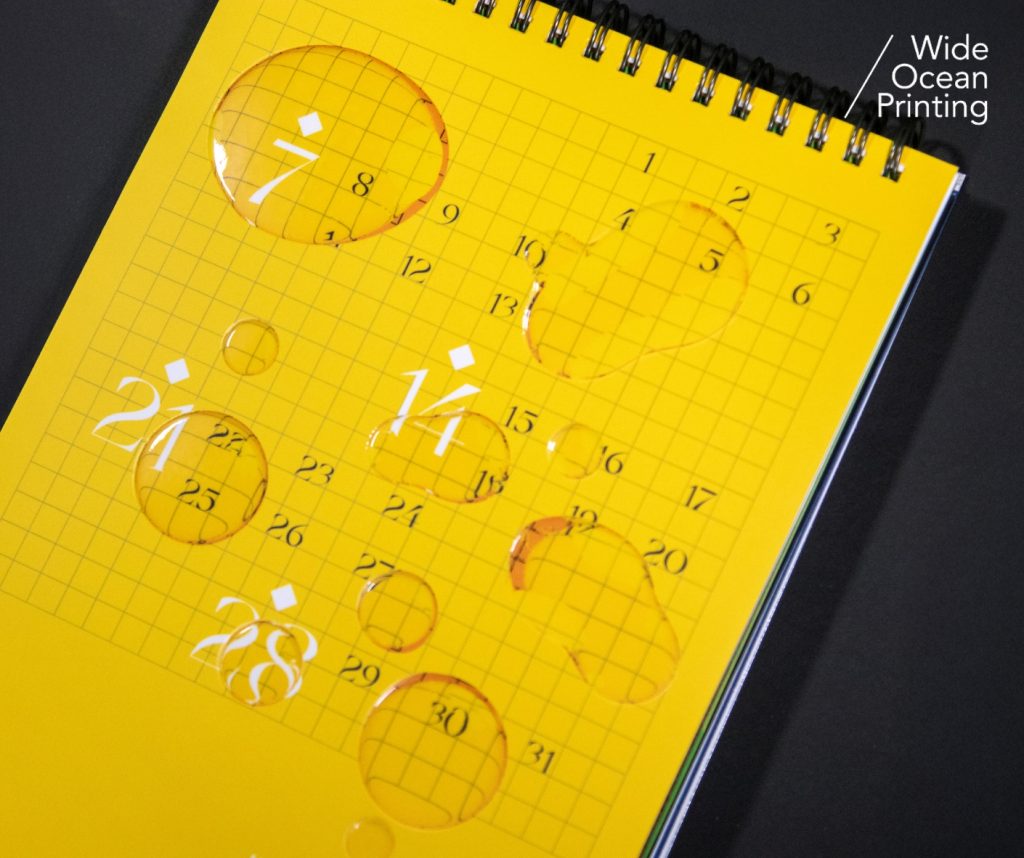
UV coating is a widely used print finishing technique that enhances visual impact through gloss, contrast,
UV coating has long been valued for its high-gloss finish and visual contrast in print production.
UV coating is often perceived as a simple glossy enhancement, yet behind every refined surface lies
UV Coating is a post-press finishing technique widely used to enhance both visual impact and surface
Debossing is a finishing method that presses artwork into the paper surface to create a refined,
As brands increasingly pursue sustainability, debossing has emerged as a low-impact finishing technique that balances visual
Debossing is a refined finishing technique that creates recessed impressions, widely used in premium packaging, book
Foil stamping is a finishing method that decisively elevates perceived quality and draws the eye to
Foil stamping has long been associated with premium printing, but beyond traditional hot stamping, Cold Foil
The brilliance and refinement of foil stamping are the result of precise processes and advanced equipment.
Spot-Color Printing is renowned for its precision and consistency — a key to maintaining brand identity.
Spot-Color Printing has evolved beyond precision and branding — it now plays a key role in
Spot-Color Printing is a craft where precision and aesthetics work hand in hand. Commonly used in
Embossing is a finishing technique highly valued by designers and brands for its ability to add
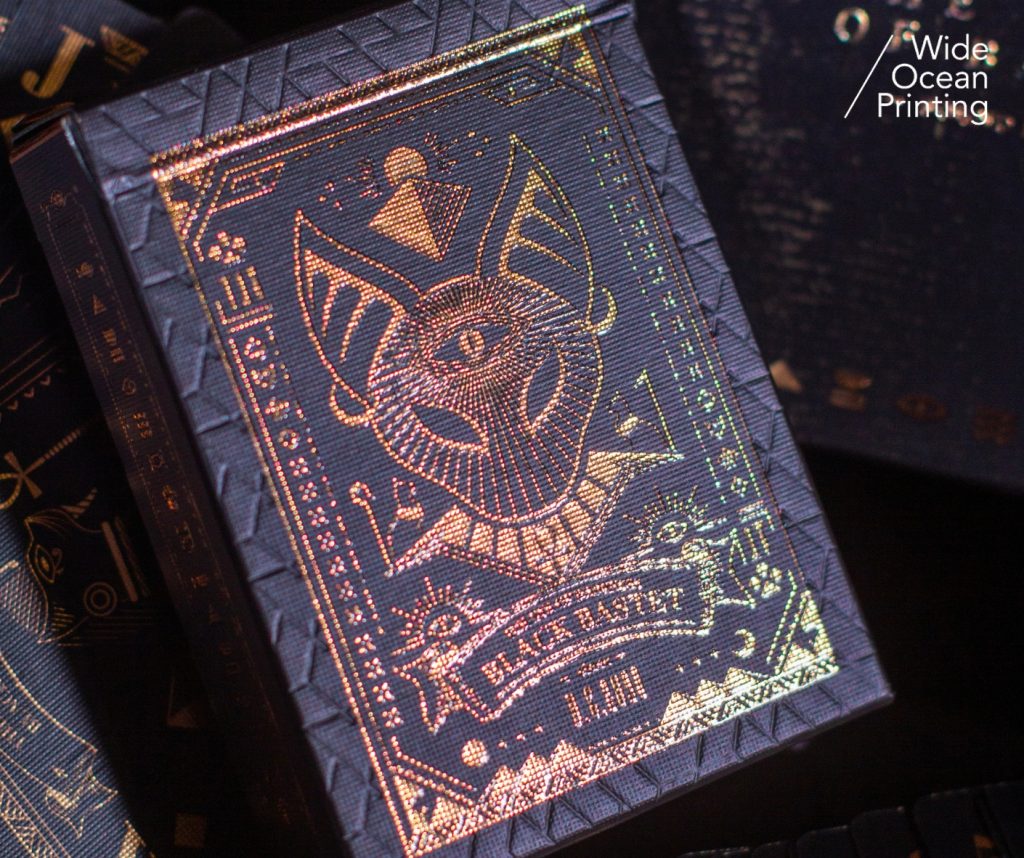
✨Embossing × Foil Stamping: Combining embossing (tactile relief) with foil stamping (specular highlights) creates a signature
The crisp, dimensional relief you see on premium print is the result of a tightly choreographed
In post-press finishing, embossing is a widely used technique that enhances both the visual and tactile
Foil stamping is a classic post-printing technique that transfers metallic or colored foils onto paper or
In print design, Spot-Color Printing stands out for its precision and consistency. Unlike traditional CMYK printing,
Debossing is a finishing technique that presses a design into the surface of paper, creating dimensional

Relief embossing is widely used to enhance tactile quality and brand presence. However, one common concern in production is post-embossing distortion—such as paper warping, excessive

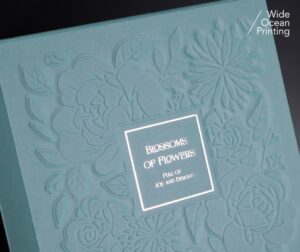
As sustainability becomes a priority in modern design, the challenge of reducing material use while preserving texture and brand recognition has become increasingly important. Relief

The raised contours created by relief embossing often appear to be an effortless dimensional effect on premium printed materials. Yet behind it lies a carefully

In silk screening, attention is often placed on mesh count, ink formulation, or substrate choice. Yet in practical printing, one subtle factor plays a critical

In silk screening, mesh count is often discussed but not always fully understood. From hands-on production experience, mesh selection influences far more than ink flow—it

Among specialty printing techniques, Silk Screen Printing stands apart for its dense ink layers, bold color saturation, and distinctive tactile quality. Its appeal does not