
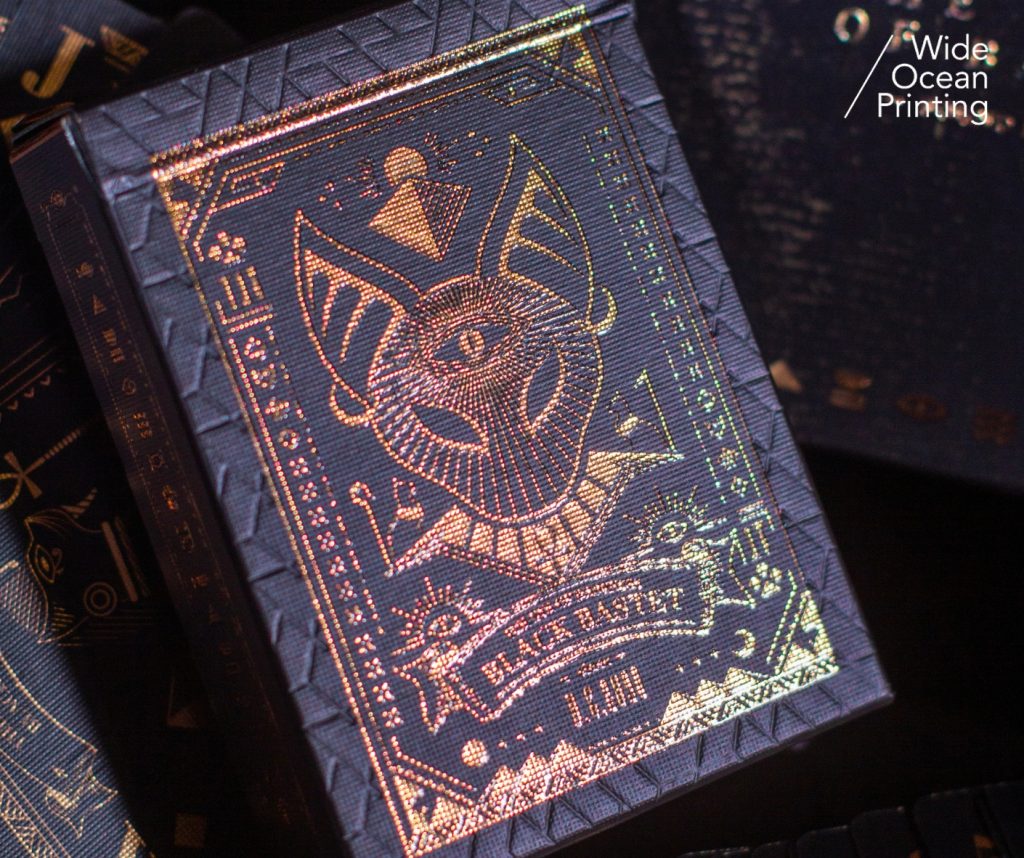
As brands increasingly pursue sustainability, debossing has emerged as a low-impact finishing technique that balances visual beauty with environmental responsibility. Unlike foil stamping or coating-based embellishments, debossing creates depth through pressure alone – minimizing materials while maximizing tactile impact.
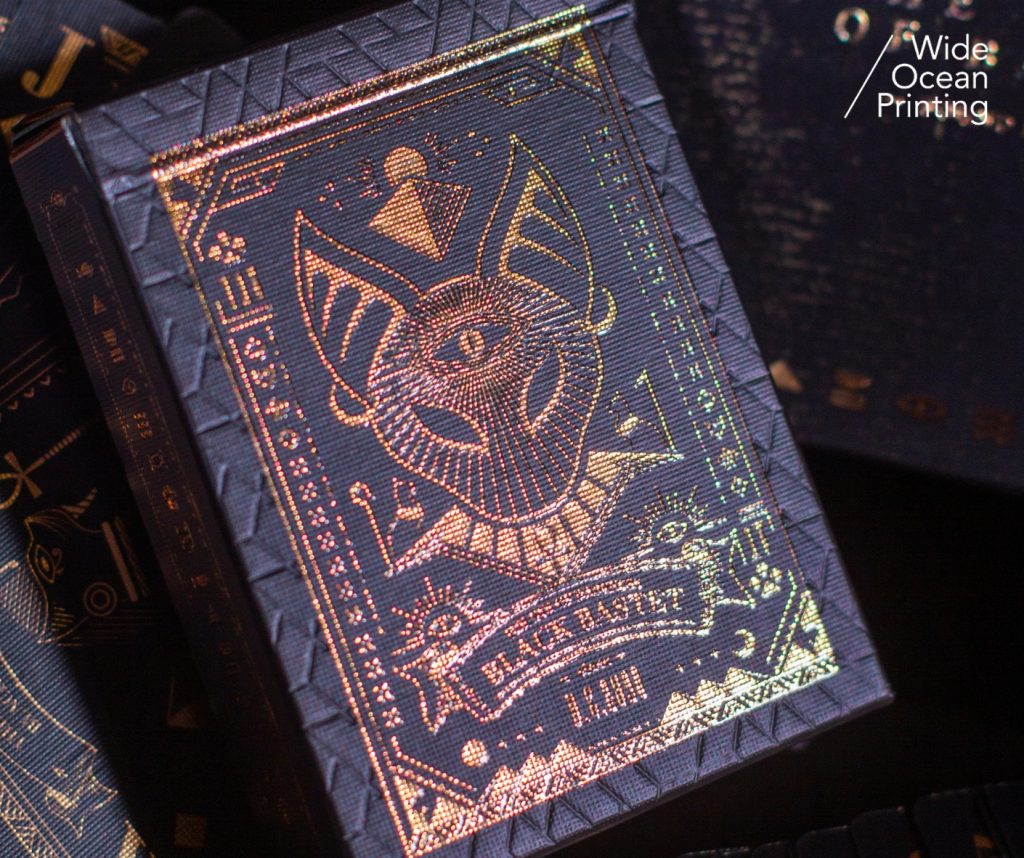
🌱 1|Material Reduction for Greener Production
Debossing requires no ink, foil, or additional coatings. Using only paper and a metal die, it achieves a premium tactile result with minimal environmental footprint – especially when paired with FSC-certified or recycled paper stocks.
⚡ 2|Lower Energy Consumption Through Pressure-Based Processing
Because debossing relies primarily on mechanical pressure rather than heat or chemical curing, its energy demand is significantly lower. Modern presses equipped with automated pressure calibration further enhance efficiency while ensuring consistent impressions.
♻️ 3|Recycling-Friendly: Single-Material Advantages
Debossed prints contain no metallic layers or laminated coatings, making them easier to recycle. Their mono-material structure aligns with global recycling guidelines and supports brand ESG commitments.
🌍 4|A Design Language that Communicates Sustainability
More brands adopt debossing as part of a “natural, minimal, responsible” identity:
✔ Paper + Pressure = understated elegance
✔ No additional pigments or films
✔ Long-lasting aesthetic that reduces redesign and waste
Debossing becomes not only a finishing technique but a storytelling tool for sustainable branding.
✨ Conclusion
Debossing proves that sustainability and sophistication can coexist. With low material use, energy efficiency, and recyclability, it represents a new chapter in eco-conscious print finishing – turning subtle depth into a powerful expression of brand responsibility.
“Every design deserves the right finishing.”
Reach out to our team for
tailored recommendations, sample references, and accurate cost estimates.