
In print finishing, die-cutting is one of the most important processes for transforming a flat printed sheet into its final shape. Whether for packaging boxes, hang tags, stickers, cards, or paper products with custom outlines, die-cutting allows a full printed sheet to be accurately cut into the required size and shape. While it may appear to be simple trimming, it is actually closely tied to structural precision and the overall quality of the finished product. 📦
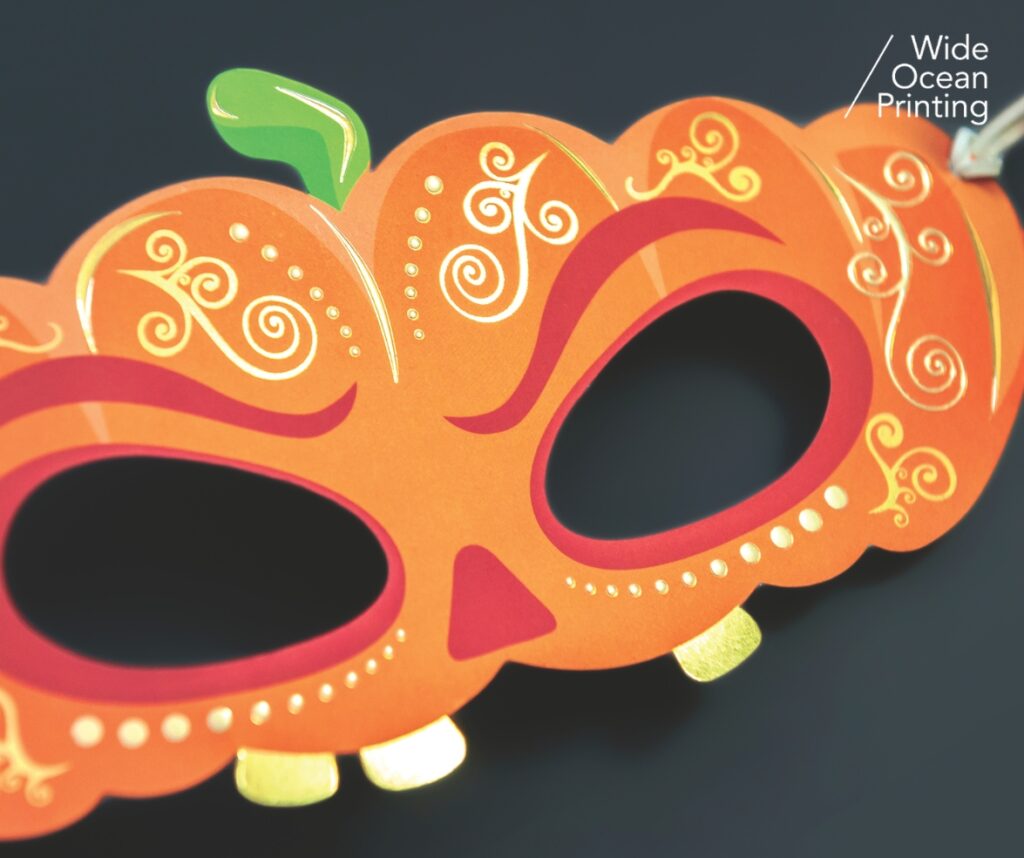
In principle, die-cutting uses a custom-made die mounted on a board, combined with mechanical pressure, to perform cutting, creasing, perforating, or contour shaping in a single pass. A die is not limited to cutting blades alone; it may also include creasing rules and positioning elements. This means die-cutting does more than separate the paper — it prepares the sheet for folding, forming, and assembly. In packaging production especially, the precision of die-cutting directly affects how smoothly a box folds, how clean the structure looks, and how stable the final form will be. 🛠️
In practice, die-cutting is widely used for boxes, folders, hanging cards, bookmarks, invitation cards, labels, and display stands. Any design that includes rounded corners, irregular outlines, windows, or hanging holes usually relies on die-cutting as well. For higher-end brand packaging, the value of die-cutting lies not only in cutting accurately, but also in achieving clean edges, natural creases, and consistent reproduction of details. Poor die planning may lead to torn edges, misalignment, weak creases, or difficulties during assembly. ✂️
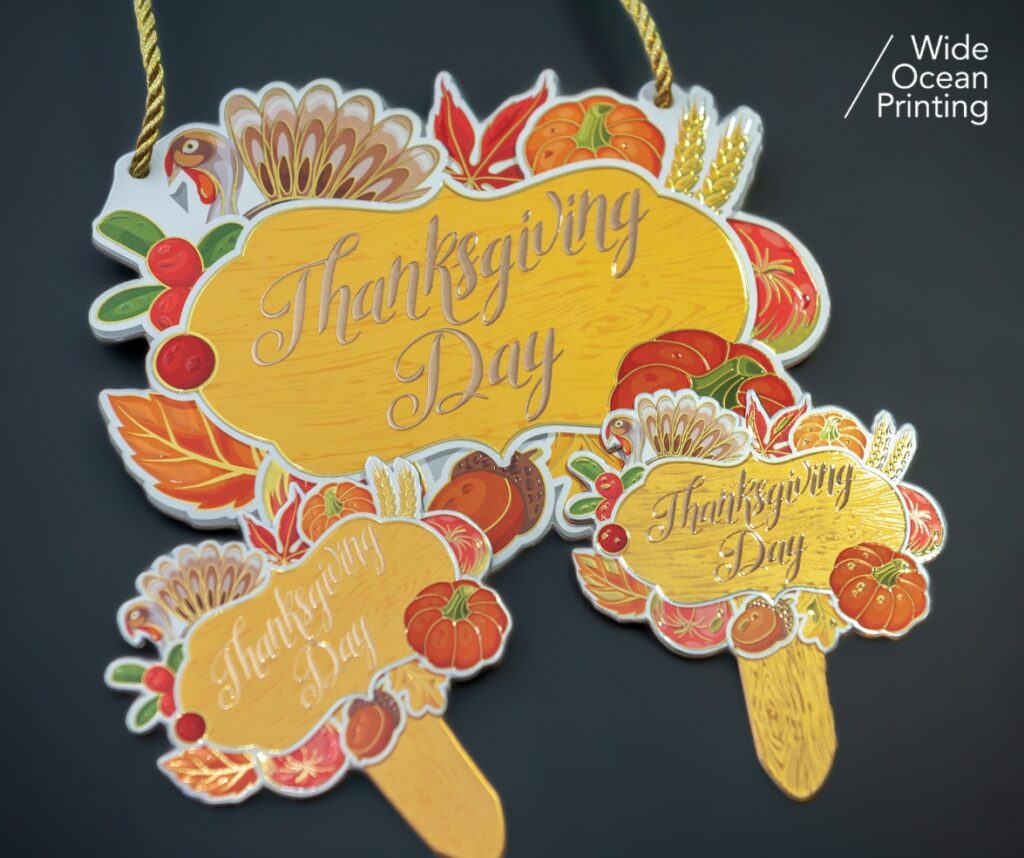
Die-cutting also needs to work in coordination with printing, foil stamping, embossing, and varnishing, which makes file preparation especially important. Designers need to leave proper bleed, safety margins, and indicate clearly the cut lines, crease lines, and openings. These details may seem technical, but they are exactly what ensure a flat design to successfully translate into a functional three-dimensional object. 📐
✨ Conclusion
The value of die-cutting lies in its ability to turn design into form. It is not merely the final cutting step, but a crucial bridge between visual design, structural planning, and user experience. When the die is precise, the creases are properly positioned, and the cut edges are clean, the printed piece can fully transition from flat artwork into a refined finished product.
“Every design deserves the right finishing.”
Reach out to our team for
tailored recommendations, sample references, and accurate cost estimates.