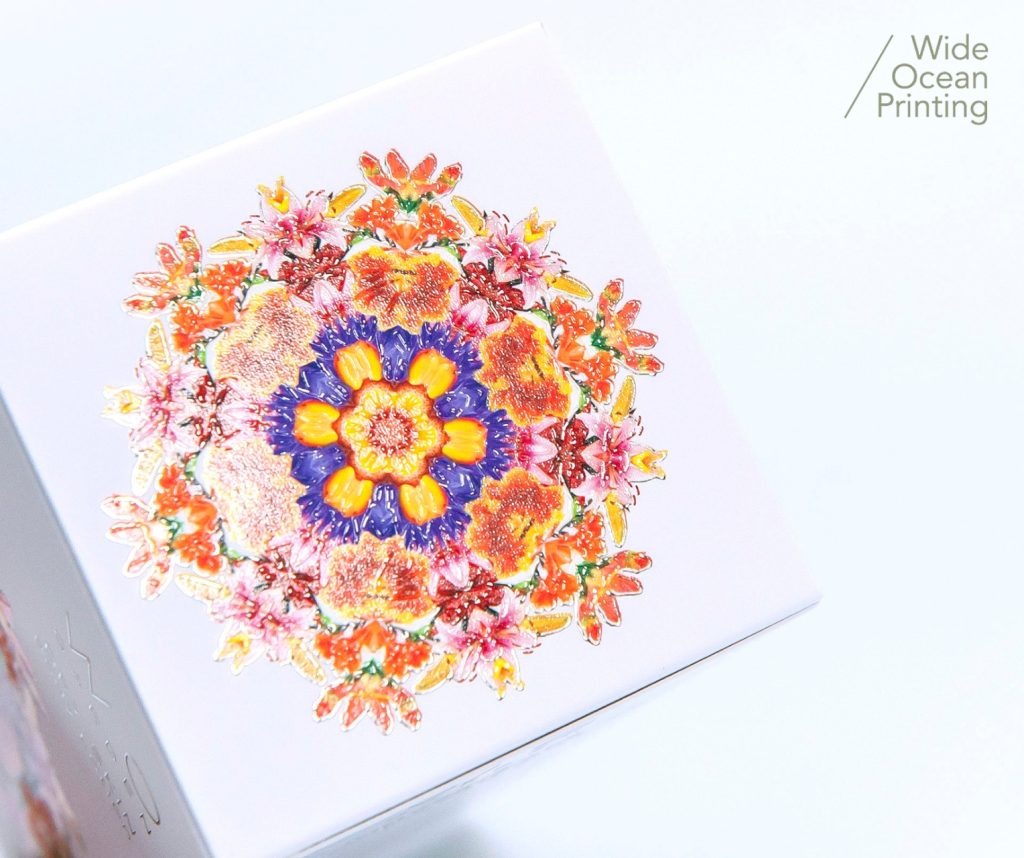
UV Coating is a post-press finishing technique widely used to enhance both visual impact and surface protection. By curing a transparent coating with ultraviolet light, it creates a glossy or matte finish that hardens instantly on the printed surface. Compared to conventional varnishes, UV coating offers faster curing and greater abrasion resistance, making it particularly suitable for premium print applications that require emphasized details or an elevated overall finish.
💡How UV Coating Works
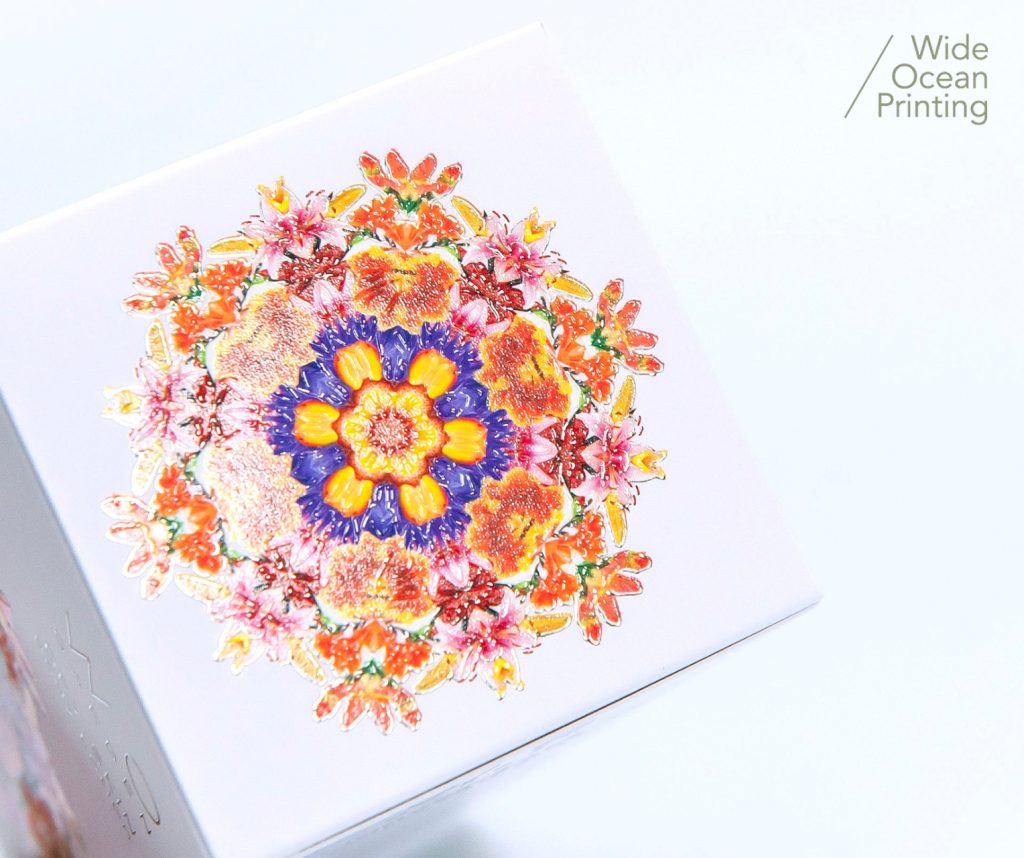
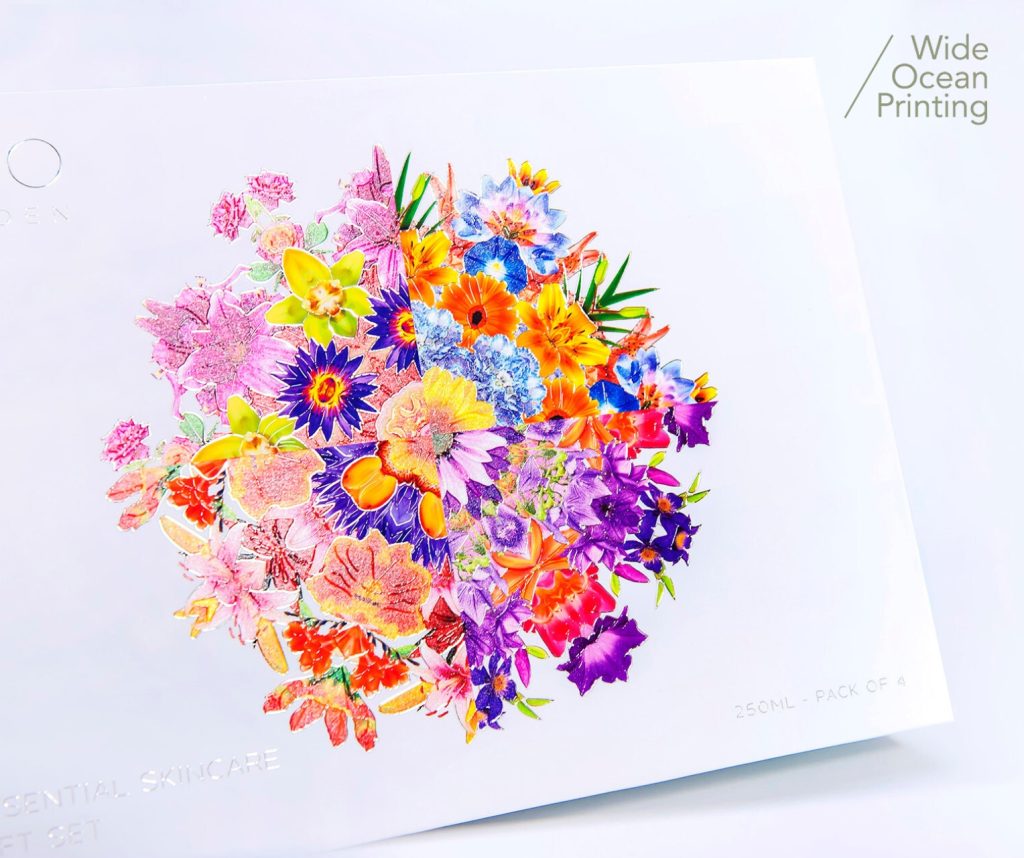
After printing, a clear coating is applied to the surface and immediately cured under UV light. It can be applied as full-coverage UV for overall gloss and protection, or as spot UV to highlight specific elements such as logos, graphics, or typography.
💡Why Designers Choose Spot UV
Spot UV creates depth and contrast without adding color. When combined with matte paper or soft-touch lamination, glossy UV areas create striking visual appeal and preceived professionalism—commonly seen in packaging, book covers, brochures, and brand materials.
💡Paper and Design Considerations
UV coating performs best on smooth, well-sealed surfaces. Extremely fine lines or small text should be avoided, as they may lose definition at the coating edges. Sufficient clearance from folds and die-cuts are also essential for achieving consistent results.
💡Practical Benefits
Beyond aesthetics, UV coating improves scratch resistance and protects printed surfaces from dirt and wear, extending the lifespan of frequently handled items such as packaging and promotional pieces.
✨Conclusion
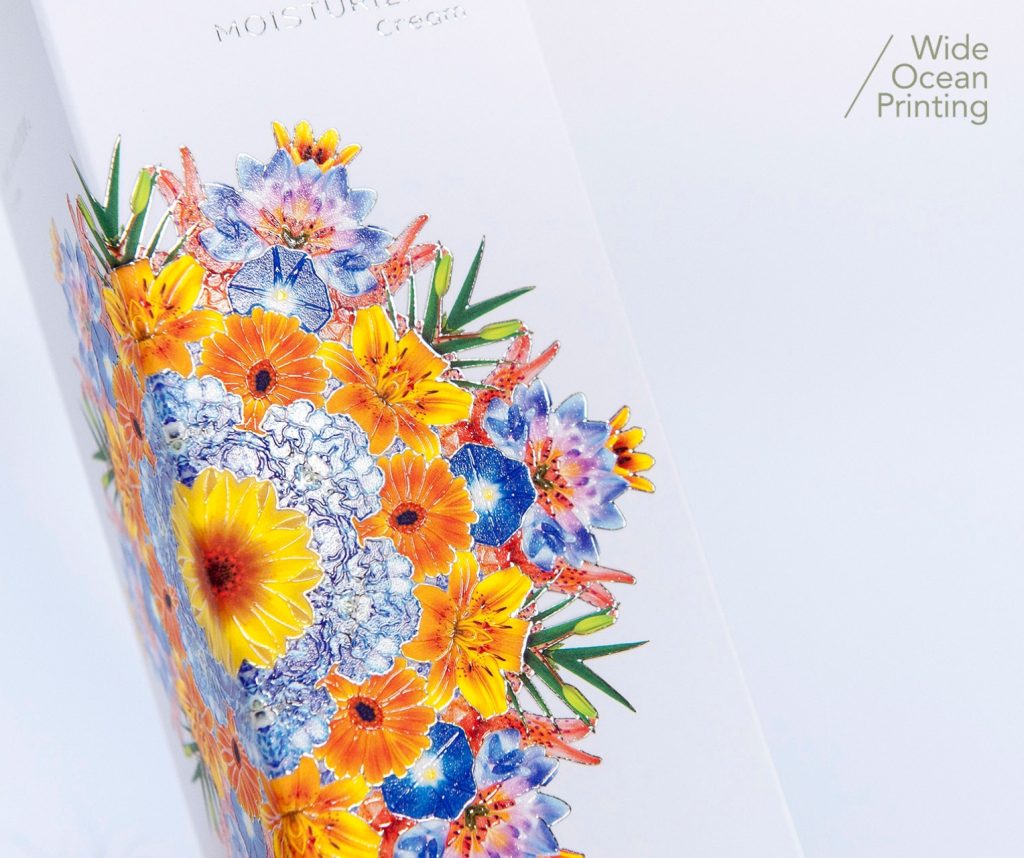
UV coating is more than a decorative effect—it is a finishing choice that reinforces overall clarity, design focus, and durability. With thoughtful planning and execution, it becomes a refined accent that completes the design.
“Every design deserves the right finishing.”
Reach out to our team for
tailored recommendations, sample references, and accurate cost estimates.