
Embossing is a finishing technique highly valued by designers and brands for its ability to add tactile dimension and visual elegance. While popular, clients often raise common questions when planning embossing. Here are some FAQs and practical tips to guide you through the process.
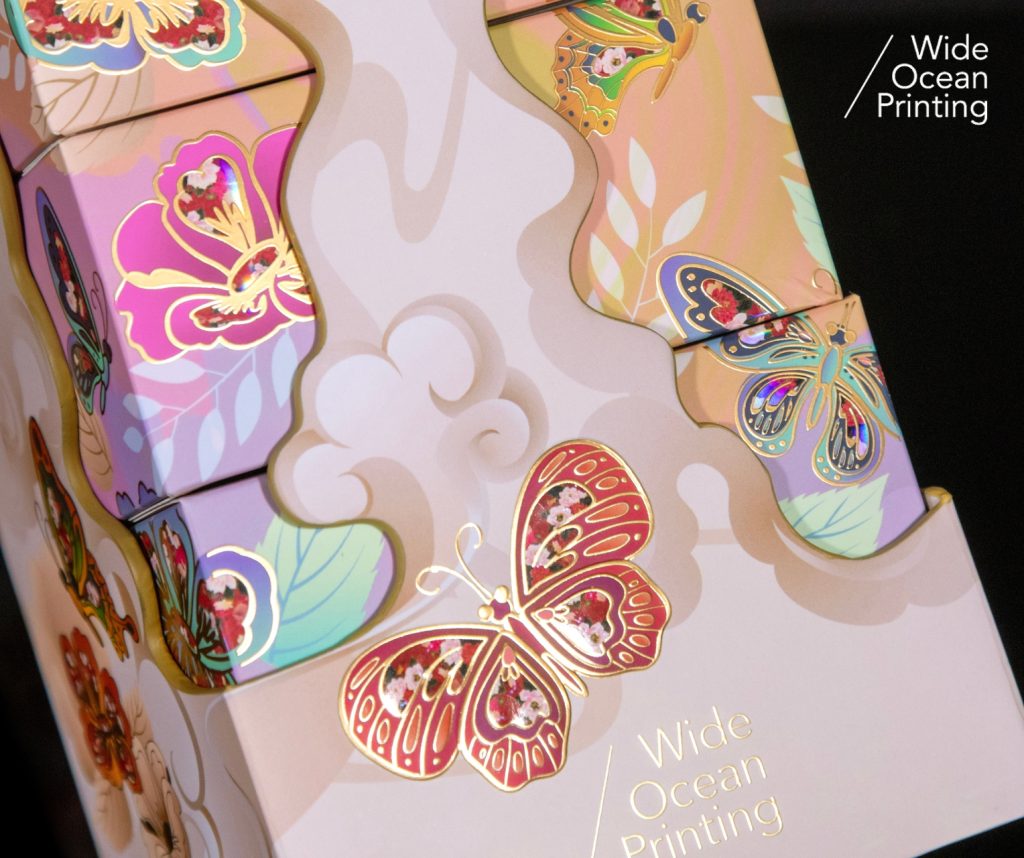
📢 FAQ 1: Can embossing be combined with foil stamping?
Yes. When embossing is combined with foil stamping, it creates foil embossing, delivering both metallic shine and raised texture. This effect works beautifully on business cards, invitations, and luxury packaging, instantly elevating brand presence.
📢 FAQ 2: Does embossing increase cost and production time?
Since embossing requires a custom metal die and additional processing steps, it does add some cost and time. However, when used strategically, embossing creates strong visual and tactile impact—often offering a return in perceived value far greater than the added expense.
📢 FAQ 3: What type of paper works best for embossing?
Heavier, denser stocks (250gsm and above) such as card stock, cotton paper, or specialty papers are ideal. Thin papers may crack or tear under pressure. For best results, consult your printer about paper testing before production.
💡 Pro Tips 💡
🔶 Keep designs simple – Fine lines or small text may lose definition when embossed.
🔶 Combine with other finishes – Pair with foil stamping, spot UV, or matte coatings for added depth.
🔶 Control embossing depth – Excessive pressure may warp the paper or show through on the back.
🔶 Mind folding areas – Avoid placing embossing on creases or fold lines to prevent cracking.
💡 Conclusion💡
Though traditional, embossing remains a powerful finishing choice when executed thoughtfully. By understanding its limitations and leveraging design techniques, embossing can make your printed materials stand out—whether you want subtle elegance or striking luxury.
“Every design deserves the right finishing.”
Reach out to our team for
tailored recommendations, sample references, and accurate cost estimates.